Basal cell carcinoma (BCC)
Basal Cell Carcinoma accounts for about 70% of non-melanoma skin cancers and begin in the lower layer of the epidermis (top, outer layer of the skin).
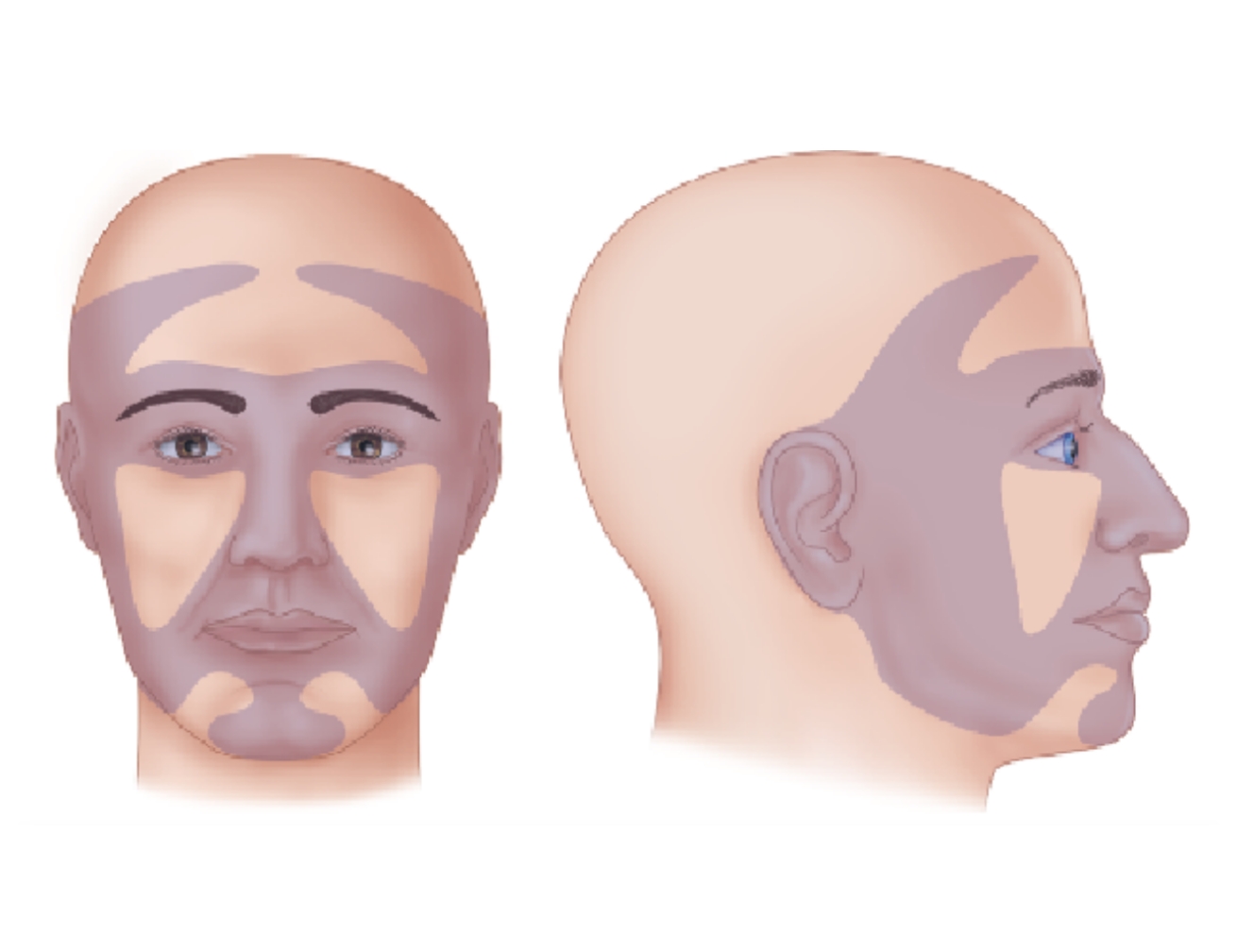

Commonly affected areas
BCC can appear anywhere on the body but most commonly develops on parts of the body that receive high or intermittent sun exposure (head, face, neck, shoulders and back). These carcinomas typically grow slowly and vary in size and appearance.
Fortunately, basal cell carcinomas rarely spread beyond the skin (metastasise) to other parts of the body. More often these tumours extend locally and destroy the surrounding tissue. Basal cell carcinomas on the face, ears, and scalp can behave more aggressively. Early detection and prompt treatment ensure an optimal outcome for this type of skin cancer.

Signs and symptoms
Basal cell carcinomas may appear and grow so slowly that you may not detect them initially.
It is important to see your dermatologist when you notice a change in your skin that might indicate basal cell carcinoma, such as these points.
Dr Aslam offers a full range of treatments for basal cell carcinoma. He will perform a careful evaluation to determine the best treatment plan for each patient’s unique set of circumstances and is an expert in Mohs surgery, which is considered one of the most effective forms of treatment for basal cell carcinoma.
A smooth, pale growth that may have a dent or dimple in the middle
A small, pearly or waxy bump
A red patch or irritated area
A sore that scabs, heals, and regrows
A bleeding or oozing sore
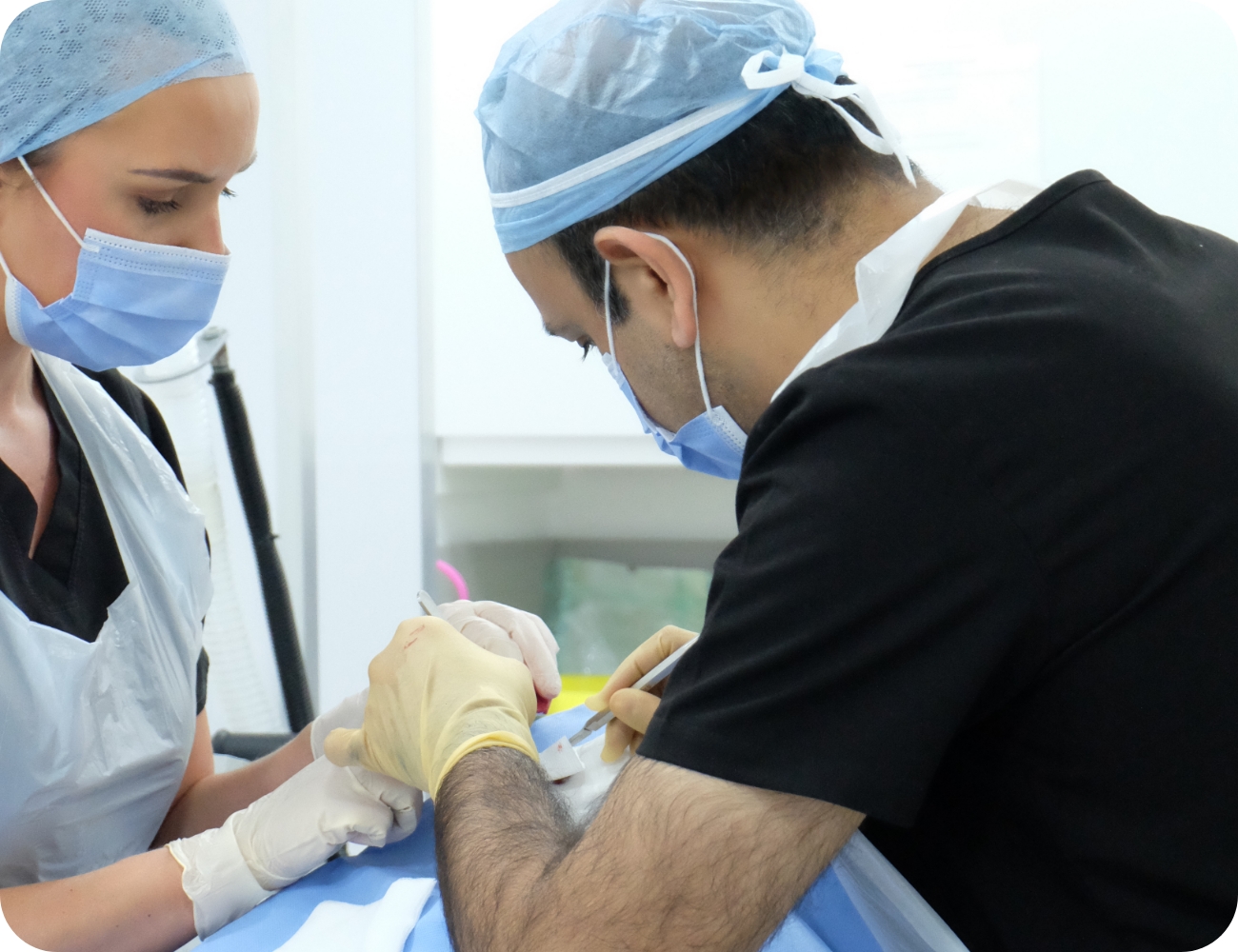
Mohs Surgery indications
Mohs surgery is recommended for high risk basal cell carcinomas and these are listed below:
Location: The H zone on the face. In sensitive locations and those areas that tend to have lots of sun exposure, such as the central face, eyelids, eyebrows, on or around the nose, lips, chin, jaw, temple and ear (the mask or H zone), hands and feet.
Certain tumour subtypes: Those with an aggressive growth pattern, which is specific information that should be noted on the pathology report. These include infiltrative, morphoeic, morpheaform or basiquamous.
A tumour that has come back (recurred) after previous treatment.
Why Patients Choose Dr Arif Aslam
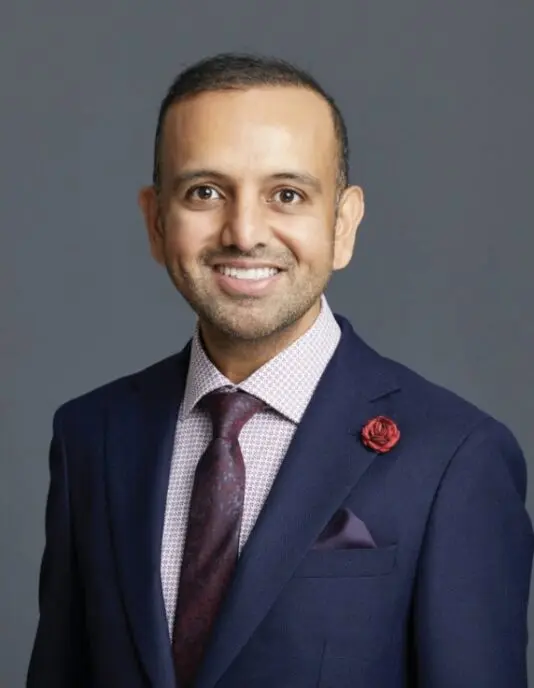

Patient care and cutting-edge treatments are paramount to my work as a Consultant Dermatologist. I’m always striving for the best outcomes for every patient.
Dermatological Surgeon and Mohs Micrographic Surgeon, Honorary Senior Lecturer
MBChB, MRCP (UK), MRCGP, MRCP (Derm), FRACP, FACD, FACMS
Patients value an approach that combines specialist skill with a genuinely supportive experience. Dr Aslam’s focus on early diagnosis, precision-based procedures, and natural-looking reconstruction ensures both clinical and cosmetic outcomes are prioritised. This is particularly important for facial BCC, nasal BCC, and other forms of facial skin cancer where tissue preservation matters.
The clinic’s environment is designed to be calm and professional, with clear communication at every stage - helping patients feel reassured, informed, and in control of their care.
