Squamous Cell Carcinoma (SCC) Skin Cancer Treatment
Squamous skin cancer treatment focuses on removing the cancer early and effectively. Squamous cell carcinoma (SCC) accounts for around 30% of non-melanoma skin cancers and most often develops on sun-exposed areas such as the face, scalp, neck, hands, and legs, though it can occur anywhere on the body. Early treatment reduces the risk of spread and supports excellent outcomes.


Understanding Squamous Cell Carcinoma (SCC)
Squamous cell carcinoma (SCC) is the second most common type of skin cancer and is usually linked to long-term UV exposure. It most often affects sun-exposed areas such as the face, scalp, and hands, but can develop anywhere on the body.
While SCC typically grows slowly, some tumours can invade deeper tissue or spread if left untreated. With appropriate management of squamous cell carcinoma, early specialist care delivers excellent outcomes.
What Causes Squamous Cell Carcinoma?
Identifying the causes of squamous cell carcinoma helps guide appropriate SCC treatment and long-term management. The primary cause is cumulative UV exposure, including natural sunlight and sunbeds.
Additional risk factors include:
- Fair skin and light-coloured eyes
- Repeated or severe sunburn
- Previous skin cancer
- Weakened immune system
- Chemical exposure (such as arsenic)
- Increasing age
- Outdoor work or prolonged sun exposure
These factors are carefully considered when planning treatment and assessing the risk of recurrence.

These clinical images show common presentations of squamous cell carcinoma. Visual examples can help patients recognise early warning signs and seek timely squamous skin cancer treatment.
Signs and Symptoms
Squamous cell carcinoma is highly treatable when diagnosed early. Prompt squamous skin cancer treatment allows the cancer to be removed effectively while preserving healthy surrounding skin.
If left untreated, SCC can become more aggressive and, in rare cases, spread to deeper tissue or other areas of the body. Early assessment by a specialist supports the best treatment outcome and helps minimise the impact on both appearance and skin function.
You should seek specialist advice if you notice any persistent or unusual skin changes, including:
A sore or scab that doesn’t heal after two months
A rough, scaly patch that doesn’t go away
A raised growth with a central dip
A wart-like or crusted lesion
A patch of skin that looks like a scar but wasn't caused by an injury
The Mohs Procedure for Squamous Cell Carcinoma
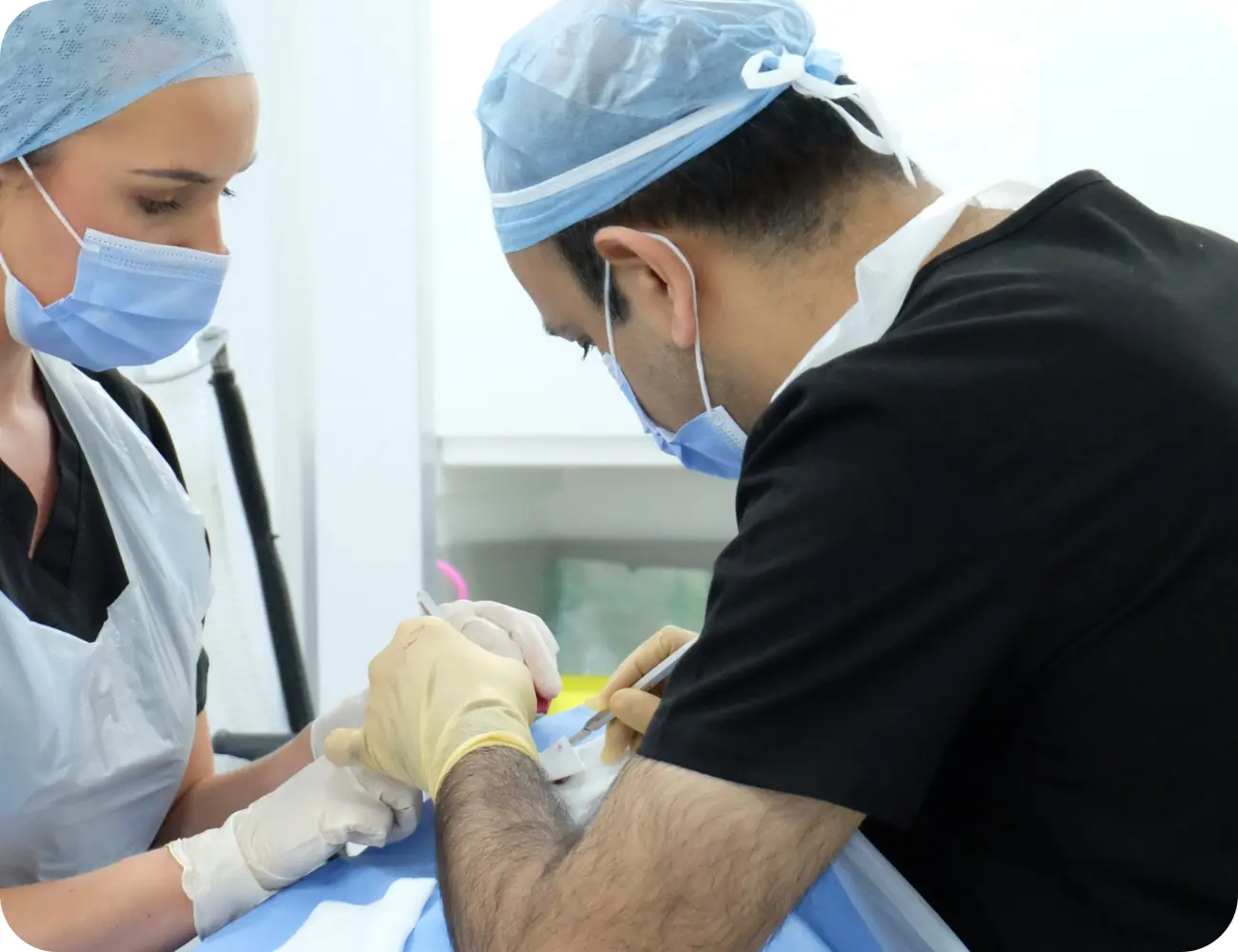
Mohs micrographic surgery is considered the gold standard for treating high-risk or facial squamous cell carcinoma. The procedure removes the tumour in stages, with each layer examined under a microscope until all cancer cells have been cleared.
This approach offers the highest cure rates for squamous cell skin cancer treatment, while preserving as much healthy tissue as possible. Cure rates reach up to 99% for primary SCCs and around 94% for recurrent tumours.
What is Mohs ideal for?
Mohs surgery is recommended when precision is essential or when there is a higher risk of recurrence. It is particularly well-suited to complex or high-risk cases where complete cancer removal and tissue preservation are equally important.
Mohs is commonly advised for:
- SCCs located on the face, ears, hands, or other cosmetically sensitive areas
- Aggressive or recurrent tumours
- Lesions with poorly defined borders
- Patients with weakened immune systems
For these cases, Mohs surgery represents one of the most effective forms of treatment for squamous skin cancer, offering excellent cure rates while preserving appearance and function.
What to Expect from Mohs Surgery
Before your procedure, your medical history and current medications will be reviewed, and the process will be explained in detail. Mohs surgery is performed under local anaesthetic and is usually completed in a single day. The length of the procedure varies, depending on how many layers need to be removed.
During the procedure
The treatment area is numbed to ensure comfort. The visible tumour, along with a thin margin of surrounding tissue, is carefully removed and examined on-site under a microscope. If cancer cells are detected, only the affected area is removed in the next stage.
This step-by-step process continues until all margins are clear. Once complete, the wound is closed with stitches or allowed to heal naturally, depending on its size and location. This method is one of the most precise and tissue-sparing approaches available for squamous skin cancer treatment.
Recovery and aftercare
Recovery is usually straightforward. Most patients return to normal daily activities within a few days. Mild discomfort is common and can typically be managed with simple pain relief. You will receive clear aftercare instructions to support healing and minimise scarring.
Strenuous activity should be avoided for one to two weeks. Follow-up appointments are arranged to monitor healing and reduce the risk of recurrence. Ongoing sun protection is essential to support recovery and protect treated skin.
Other Squamous Skin Cancer Treatment Options
Provides the highest cure rates by removing cancer layer by layer while preserving healthy tissue. It is preferred for high-risk tumours and cosmetically sensitive areas.
Involves removing the tumour along with a margin of healthy skin. This approach is commonly used for small, well-defined lesions in low-risk areas.
Uses gentle scraping followed by cauterisation to destroy remaining cancer cells. Best suited to early-stage or superficial SCCs.
Uses targeted high-energy radiation to destroy cancer cells. It may be recommended when surgery is not suitable or as an additional treatment for aggressive or recurrent disease.
Destroys abnormal cells by freezing them with liquid nitrogen. Suitable for small, superficial lesions in early squamous cell carcinoma treatment.
Combines a light-sensitive medication with a specific light source to target cancer cells. Typically used for superficial SCCs.
Prescription treatments such as 5-fluorouracil or imiquimod are applied directly to the skin. Usually reserved for very early or pre-cancerous changes.
Stimulates the immune system to recognise and destroy cancer cells. This is generally used for advanced, inoperable, or metastatic SCC.
While Mohs surgery is the preferred option for many high-risk cases, other effective approaches are available as part of the management of squamous cell carcinoma, depending on the tumour’s characteristics and the patient’s overall health.
Treatment plans are tailored on an individual basis. During your consultation, Dr Arif Aslam will recommend the most appropriate squamous skin cancer treatment, guided by clinical findings, safety considerations, and your personal preferences.
Why Patients Choose Dr Arif Aslam
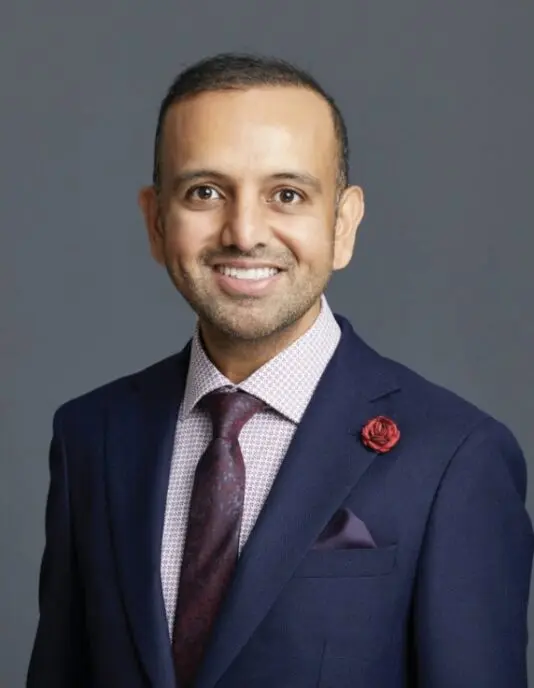

Patient care and cutting-edge treatments are paramount to my work as a Consultant Dermatologist. I’m always striving for the best outcomes for every patient.
Dermatological Surgeon and Mohs Micrographic Surgeon, Honorary Senior Lecturer
MBChB, MRCP (UK), MRCGP, MRCP (Derm), FRACP, FACD, FACMS
Patients value an approach that combines specialist skill with a genuinely supportive experience. Dr Aslam’s focus on early diagnosis, precision-based procedures, and natural-looking reconstruction ensures both clinical and cosmetic outcomes are prioritised. This is particularly important for facial BCC, nasal BCC, and other forms of facial skin cancer where tissue preservation matters.
The clinic’s environment is designed to be calm and professional, with clear communication at every stage - helping patients feel reassured, informed, and in control of their care.
Frequently Asked Questions
Mohs surgery offers cure rates of up to 99% for primary tumours and around 94% for recurrent cases. It is widely regarded as the most effective form of SCC treatment for high-risk lesions.
When treated early, SCC is highly manageable. Without treatment, some tumours can become more aggressive or cause deeper tissue damage, requiring more complex care.
Most wounds heal within two to four weeks. You will receive personalised aftercare guidance to support healing and achieve the best outcome from your squamous skin cancer treatment.
Recurrence is possible, but it is less likely following precise techniques such as Mohs surgery. Appropriate follow-up helps reduce this risk.
Many private health insurance plans and NHS pathways cover squamous cell skin cancer treatment, including Mohs surgery. The clinic team can assist with confirming eligibility.