Melanoma Skin Cancer
Melanoma is the most serious form of skin cancer, developing in the cells (melanocytes) that produce melanin – the pigment that gives your skin its colour. While it accounts for only about 1% of all skin cancers, melanoma is responsible for the majority of skin cancer deaths due to its aggressive nature and ability to spread rapidly to other parts of the body.
Early Detection of Melanoma Skin Cancer
With early detection and timely care, melanoma can often be treated successfully. This guide explains how to recognise early warning signs, outlines treatment options such as melanoma skin cancer removal, and shares steps you can take to reduce your risk of this serious condition.
Key fact: The five-year survival rate for early-stage, localised melanoma is around 99%. However, if the cancer spreads to distant organs, this drops to roughly 35%, emphasising why early detection and treatment are so important.
Melanoma skin cancer is often detectable in its earliest stages, when treatment is most effective. Learning the warning signs and performing regular skin self-checks can make a life-saving difference.
While regular self-examinations benefit everyone, they are especially important if you have risk factors such as fair skin, a history of sunburn, or a family history of melanoma.
The ABCDEs of Melanoma
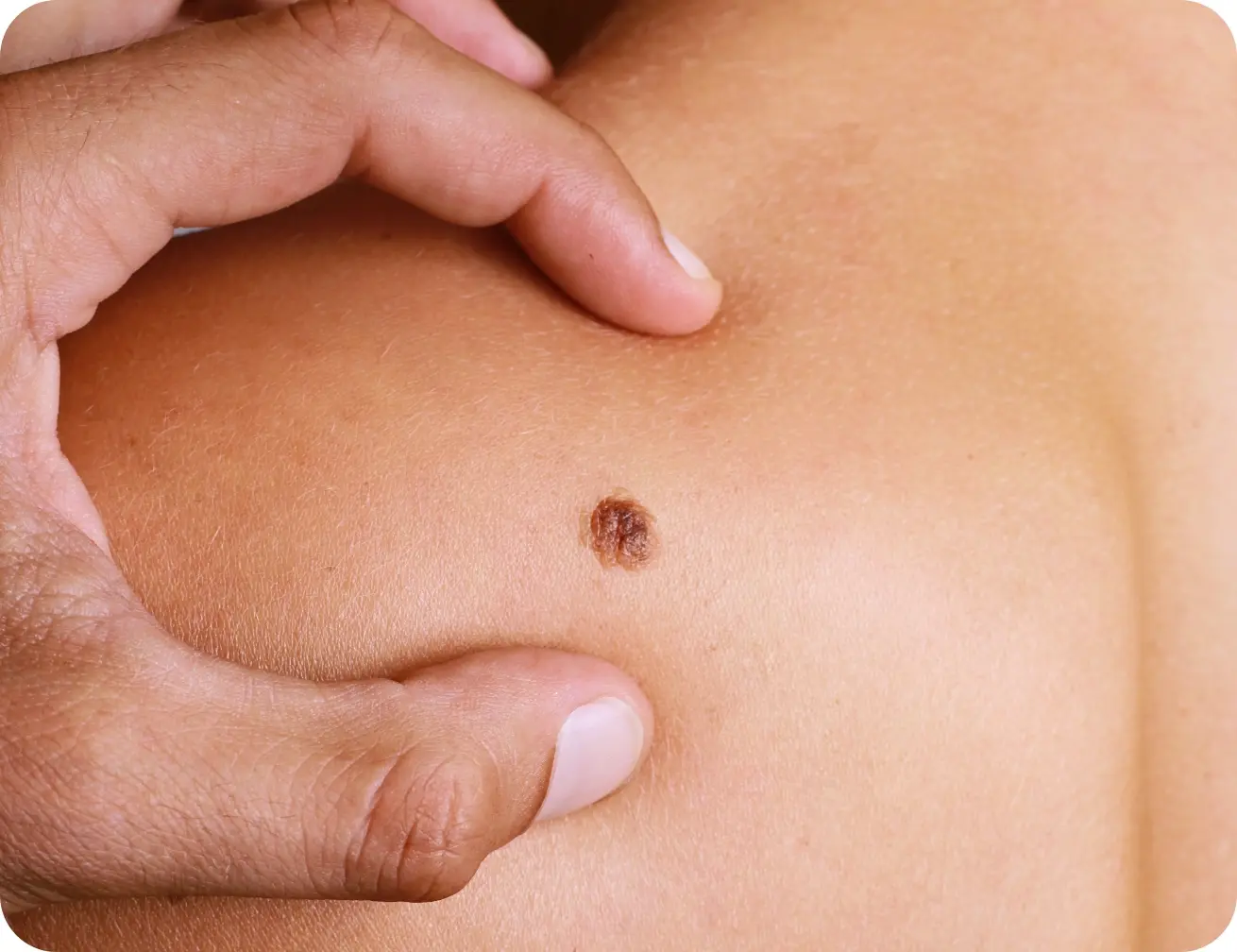
A - Asymmetry: One half of the mole doesn't match the other half.
B - Border: The edges are irregular, ragged, notched, or blurred.
C - Colour: The colour isn't uniform and may include different shades of brown, black, or patches of pink, red, white, or blue.
D - Diameter: The mole is larger than 6mm (about the size of a pencil eraser), although melanomas can sometimes be smaller.
E - Evolving: The mole is changing in size, shape, or colour over time.
Skin cancers, melanoma included, can vary greatly in appearance. These examples show how melanoma may present, helping you recognise changes that could require medical attention.

Professional Skin Checks
While self-exams are valuable, they do not replace professional skin checks. Regular examinations by a dermatologist are essential, especially for those at higher risk of skin cancers like melanoma. Specialists are trained to detect suspicious moles or lesions that might be missed during self-examination, enabling earlier diagnosis and access to the most effective care, including melanoma treatment in the UK.
During a professional skin check, Dr Arif Aslam examines your skin from head to toe, including hard-to-see areas such as your back, scalp, and between your toes. This thorough approach helps ensure that no potential signs of melanoma are overlooked.
Melanoma Treatment Options
Surgery is the main treatment for most cases and involves removing the affected tissue along with a small margin of healthy skin. The surgical method is chosen based on the melanoma’s stage and location.
This is the standard procedure for melanoma skin cancer removal, where the tumour and a surrounding margin of normal-looking skin are removed to help ensure all cancer cells are eliminated.
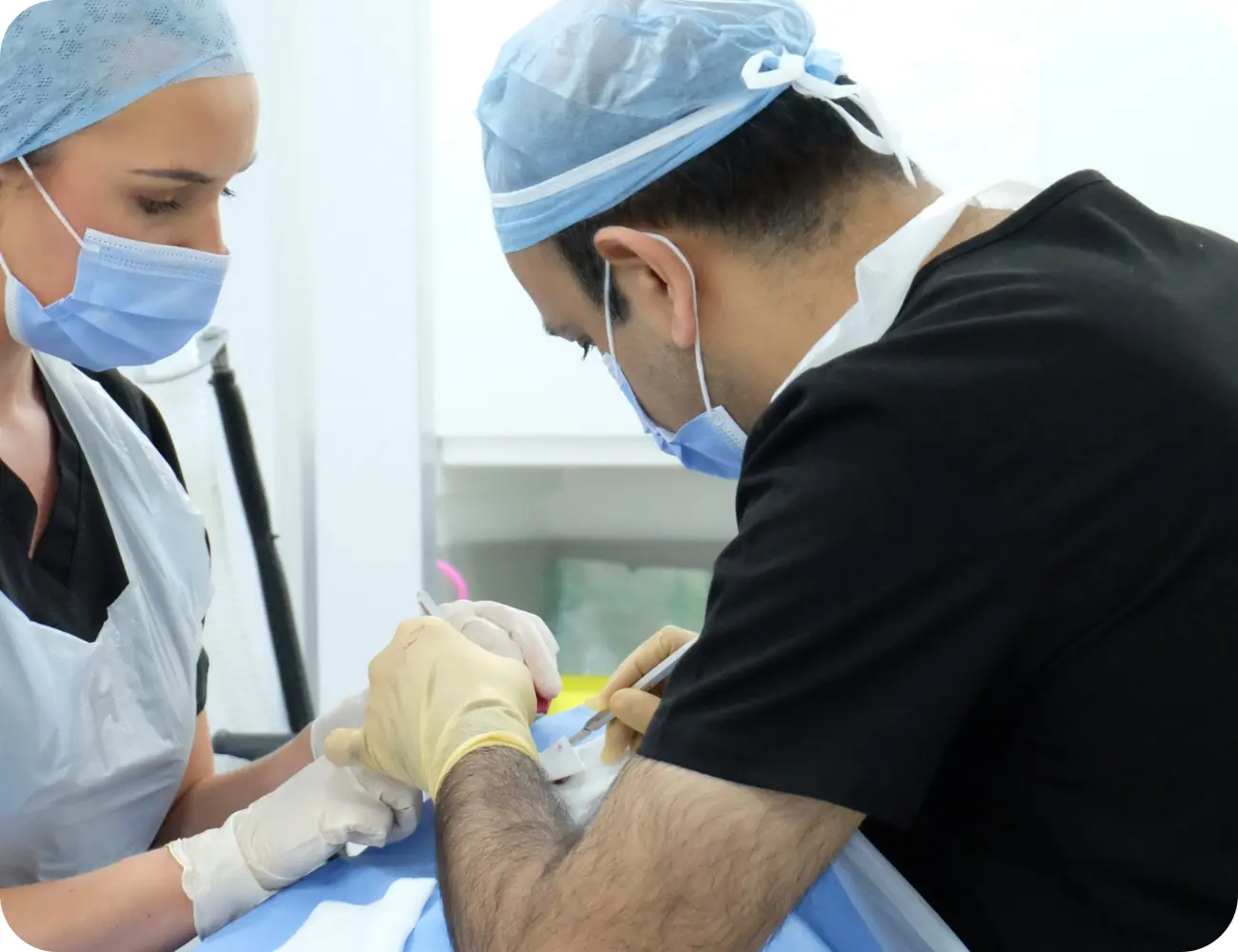
Mohs surgery is a precise technique in which thin layers of skin are removed one at a time and examined under a microscope until no cancer cells remain. This approach is especially useful for melanomas in cosmetically sensitive areas, such as the face.
For cases with a higher risk of spreading, this test checks if cancer cells have reached nearby lymph nodes, helping to guide further treatment.
When melanoma skin cancer is diagnosed, a range of treatment options is available. The most suitable approach depends on factors such as the stage of the disease, its location, and your overall health.
Advanced Options for Melanoma Treatments in the UK
For a disease that has spread beyond the original site, additional therapies may be needed:
- Immunotherapy: Boosts the immune system’s ability to attack cancer cells and has transformed melanoma treatment in the UK in recent years.
- Targeted Therapy: Uses drugs that act on specific genetic mutations in melanoma to slow or stop cancer growth.
- Radiation Therapy: Employs high-energy rays to destroy cancer cells, often used when surgery is not possible or to treat spread to other areas.
- Chemotherapy: Now less common for advanced cases due to more effective newer treatments, but still an option in certain situations and sometimes combined with melanoma skin cancer surgery for optimal results.
Dr Arif Aslam provides trusted, comprehensive care for patients, offering advanced surgical techniques and, where appropriate, referrals for additional therapies to ensure the best possible outcome.
Understanding Mohs Surgery for Melanoma
For certain cases of melanoma skin cancer, Mohs surgery offers a precise and highly effective treatment option. This advanced technique is designed to remove all cancer cells while preserving as much healthy tissue as possible, making it especially valuable for melanomas in visible or delicate areas such as the face.
The Mohs Surgery Process
Mohs surgery for melanoma involves removing the visible tumour along with a very thin layer of surrounding skin. Each layer is examined under a microscope on the spot. If cancer cells are detected, another layer is carefully removed and tested. This process continues until no cancer remains.
Because it targets only affected tissue, Mohs surgery minimises scarring and offers the highest possible cure rates for eligible patients. While not suitable for all melanoma skin cancer surgery cases, it can be an ideal choice for early-stage melanomas in cosmetically sensitive locations.
Dr Arif Aslam uses this meticulous approach to ensure the best outcomes for patients, combining surgical precision with a focus on preserving both health and appearance.
Why Patients Choose Dr Arif Aslam
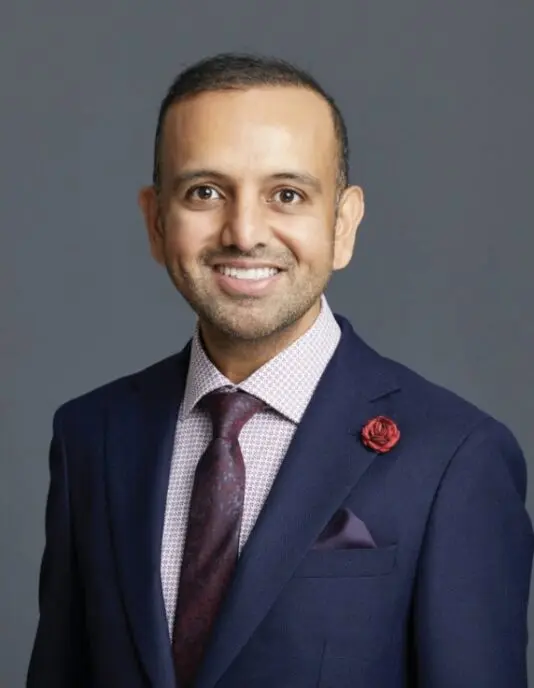

Patient care and cutting-edge treatments are paramount to my work as a Consultant Dermatologist. I’m always striving for the best outcomes for every patient.
Dermatological Surgeon and Mohs Micrographic Surgeon, Honorary Senior Lecturer
MBChB, MRCP (UK), MRCGP, MRCP (Derm), FRACP, FACD, FACMS
Patients value an approach that combines specialist skill with a genuinely supportive experience. Dr Aslam’s focus on early diagnosis, precision-based procedures, and natural-looking reconstruction ensures both clinical and cosmetic outcomes are prioritised. This is particularly important for facial BCC, nasal BCC, and other forms of facial skin cancer where tissue preservation matters.
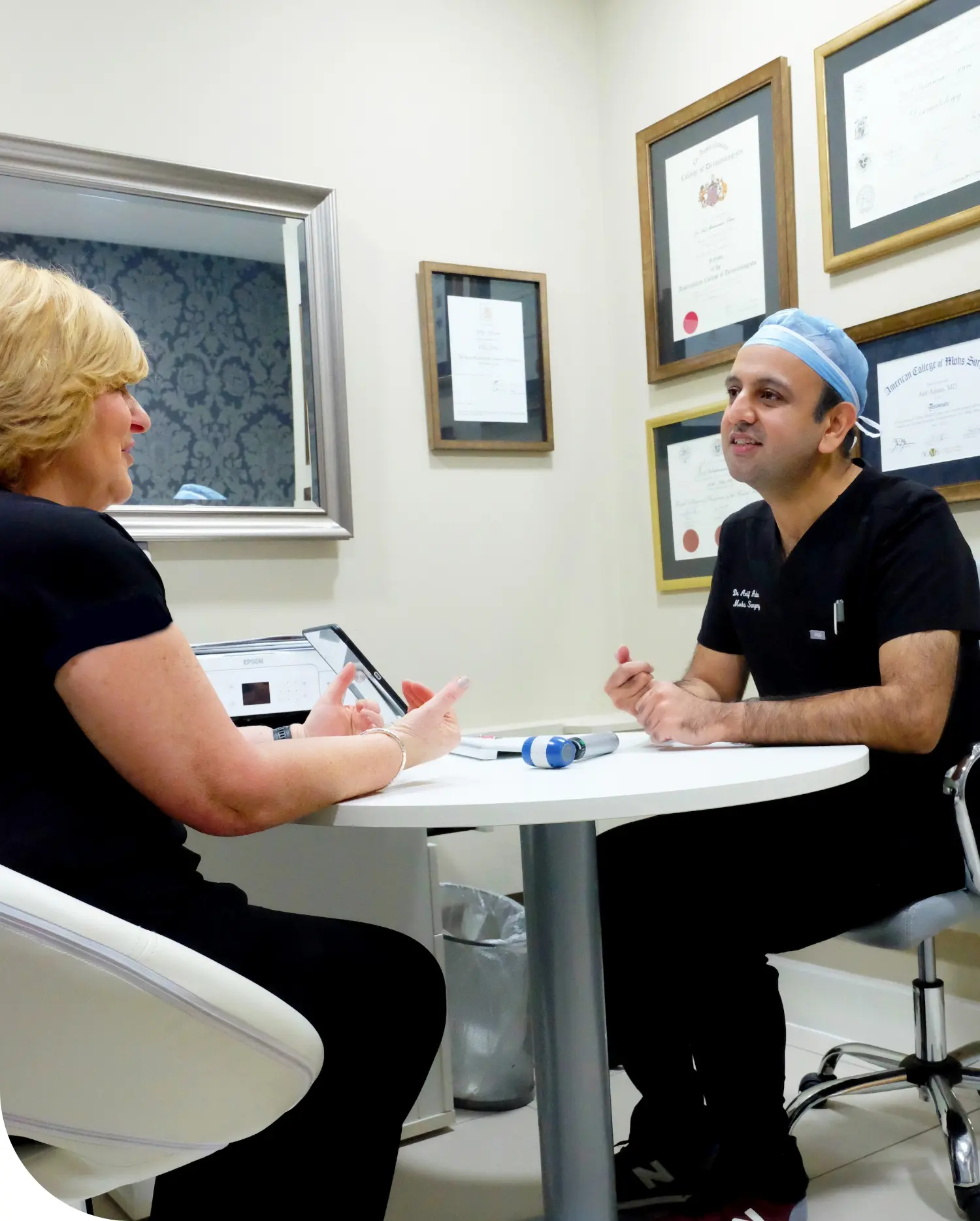
The clinic’s environment is designed to be calm and professional, with clear communication at every stage - helping patients feel reassured, informed, and in control of their care.
Post-Surgery Care and Recovery
Proper care after melanoma skin cancer surgery is vital for healing and reducing the risk of complications. Following your procedure, Dr Arif Aslam will provide detailed, personalised instructions to support your recovery.
General Post-Surgery Guidelines
- Keep the wound clean and dry for the first 24–48 hours.
- Follow wound care advice carefully, which may include gentle cleaning and applying antibiotic ointment.
- Take prescribed pain relief to manage discomfort.
- Watch for signs of infection such as increasing pain, redness, swelling, or discharge.
- Attend all follow-up appointments to monitor progress and discuss any further options for melanoma treatment in the UK if needed.
Long-term Follow-up
After melanoma skin cancer removal, ongoing monitoring is essential to detect any recurrence or new melanomas early. This typically includes:
- Regular professional skin examinations.
- Monthly self-checks for new or changing moles.
- Imaging tests for higher-stage melanomas when appropriate.
- Consistent sun protection to reduce the risk of future skin cancers.
If you’ve had melanoma before, your risk of developing another is higher, making consistent follow-up care a key part of your long-term health plan.
Preventing Melanoma Skin Cancer
While not all cases of melanomas can be prevented, there are practical steps you can take to lower your risk significantly.
Sun Protection
Sun protection plays a vital role in reducing your risk of melanoma. Avoid direct exposure during peak hours (10 a.m. to 4 p.m.), wear protective clothing such as wide-brimmed hats and UV-blocking sunglasses, and apply a broad-spectrum sunscreen with SPF 30 or higher, even on cloudy days.
Reapply every two hours, or more often if swimming or sweating, and seek shade whenever possible, especially at midday.
Avoid Tanning Beds
Tanning beds emit harmful UV radiation and greatly increase your risk of developing melanoma.
Just one indoor tanning session can raise your melanoma risk by 20%, and the risk increases with repeated use.
Regular Skin Checks
Early detection makes a huge difference in outcomes. Perform monthly self-examinations and schedule regular professional skin checks.
For those with higher risk factors, early detection and timely care can mean access to advanced options such as melanoma treatment in the UK.
Frequently Asked Questions
Survival rates depend on the stage at diagnosis. When detected early and confined to the skin, the five-year survival rate is around 99%. If melanoma spreads to nearby lymph nodes, it drops to about 75%, and for advanced cases that reach other organs, it’s roughly 35%. This underlines the importance of early detection and prompt treatment.
Melanoma is generally more aggressive than other common skin cancers, such as basal cell carcinoma or squamous cell carcinoma. It develops in melanocytes, the pigment-producing cells of the skin, and is more likely to spread to other parts of the body if not treated early.
Risk factors include high UV exposure (sun or tanning beds), fair skin, a history of sunburns, numerous or unusual moles, a personal or family history of melanoma, and a weakened immune system. However, melanoma can still occur in people without these risk factors.
Recovery time depends on the type and extent of the procedure. Minor excisions may heal in 2–3 weeks, while larger surgeries can take longer. Some pain, swelling, and bruising are common. Following your aftercare instructions will help promote healing and reduce scarring.
Most patients are advised to perform monthly self-checks and see a professional for a skin examination every 3–12 months for at least five years. People with higher-risk melanomas may need more frequent visits or additional imaging tests.