What Is Mohs Surgery?
Your Guide to the Mohs Procedure
If you have been diagnosed with skin cancer, it is helpful to understand what Mohs surgery is. This advanced skin cancer treatment, also known as the Mohs procedure, offers one of the highest cure rates while preserving as much healthy skin as possible.

Accreditations & memberships

What Makes Mohs Surgery Unique?
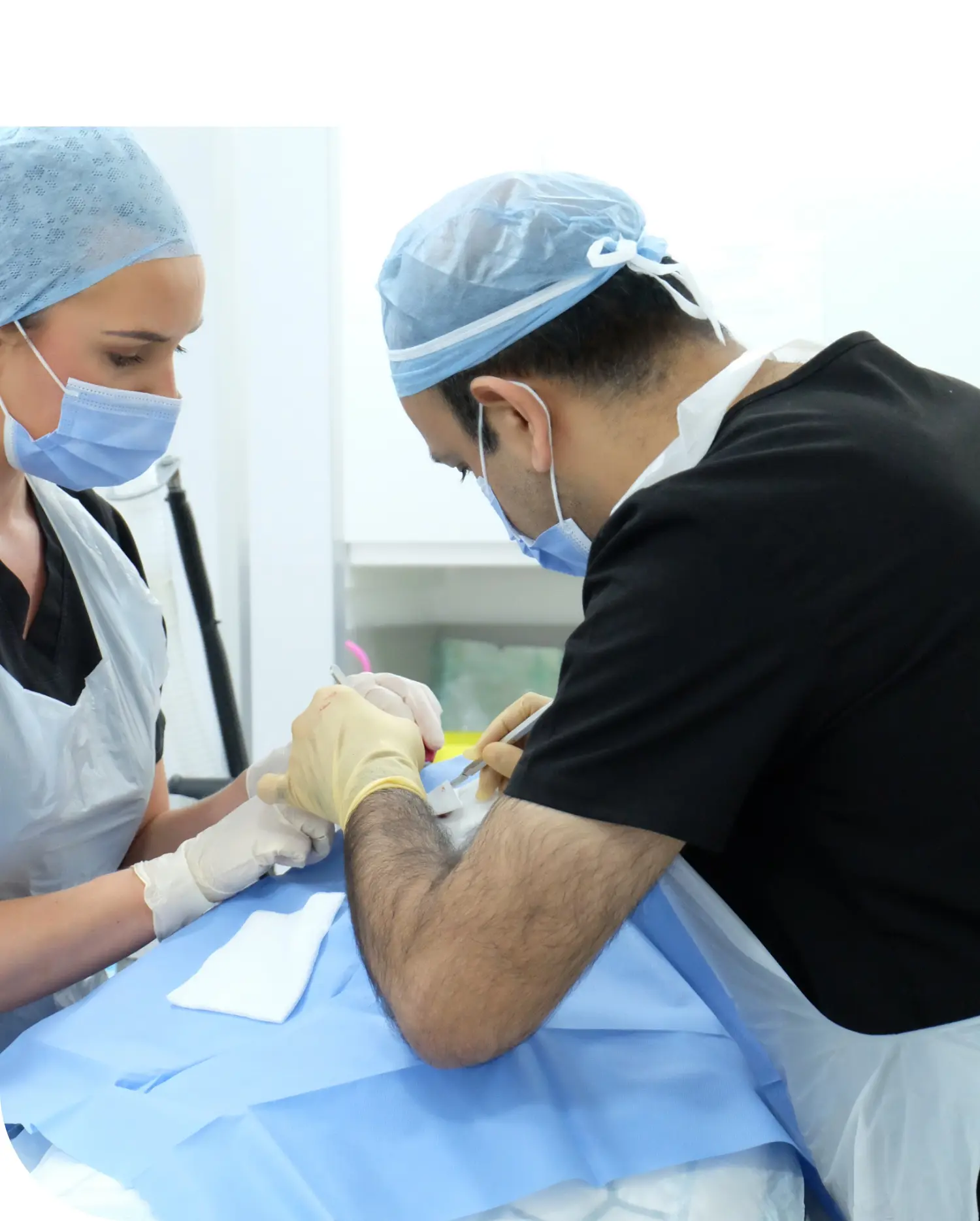
Mohs surgery is a highly specialised technique used to treat skin cancers located in delicate or complex areas such as the face, ears and hands. It is named after Dr Frederic Mohs, who developed the method in the 1930s. The Mohs procedure involves removing cancerous tissue in precise layers while examining each margin under a microscope.
Standard excision often requires removing a margin of healthy skin around the tumour. In contrast, Mohs surgery removes only the tissue that is cancerous, preserving more healthy skin and improving cosmetic outcomes.
Choose a Specialist You Can Trust
Book an appointment with Dr Arif Aslam, a fellowship-trained skin cancer surgeon offering expert Mohs micrographic surgery in Lancashire and Greater Manchester with compassionate care and excellent outcomes.
Why Choose Dr Arif Aslam for Your Mohs Operation?
Many may offer Mohs micrographic surgery, but not all are formally fellowship-trained. Dr Arif Aslam is:
- A UK-registered specialist dermatologist
- A fellow of both the American College of Mohs Surgery and the Australasian College of Dermatologists
- Dual fellowship-trained in Mohs micrographic surgery
With advanced training and extensive experience, Dr Arif Aslam ensures that your Mohs operation is performed to the highest clinical standards with personalised care.
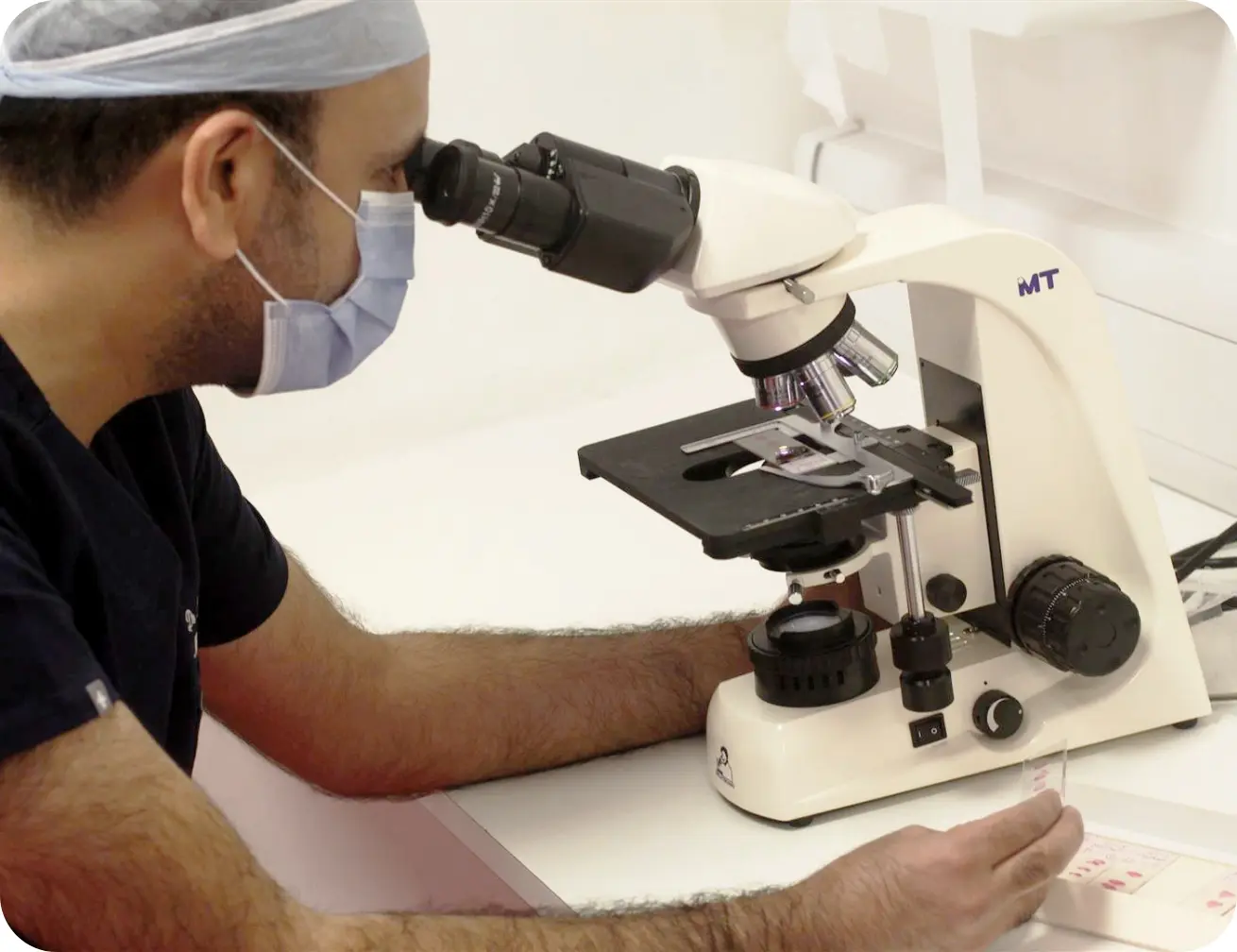


Laboratory technicians then process, stain and prepare the tissue sections for microscopic examination by Dr Arif Aslam. This analysis takes approximately 60 minutes. During this time, the wound is dressed, and the patient waits in a designated area.
This selective tumour removal allows Dr Arif Aslam to preserve most of the surrounding healthy tissue.
Reconstruction options include stitches, skin grafts or flap designs. Sometimes wounds are allowed to heal naturally. In certain cases, patients may be referred to a plastic, oculoplastic or ear, nose and throat surgeon for reconstruction.
Top Benefits of Mohs Surgery at a Glance
Efficient & Patient-Friendly
- Outpatient surgery completed in a single visit
- Local anaesthetic means no need for general sedation
- Minimises costs, time off work, and follow-up visits
Precise & Targeted
- 100% of tumour margins examined microscopically
- On-site lab processing for immediate results
- Preserves healthy tissue and reduces scarring
Highest Cure Rates
- Up to 99% cure rate for untreated skin cancers
- 94% success rate even for recurrent skin cancers
If you are considering the best treatment for your skin cancer, Mohs surgery offers the most precise and effective approach.
How to Prepare for Your Mohs Surgery
We want your experience to be smooth and stress-free. Here is how to prepare:
Don’t make any plans
Because it is difficult to predict how long your Mohs surgery will take, it is best to keep your schedule open. You will likely feel tired after the procedure and not up to your usual activities that evening. We encourage you to rest after your procedure, as any activity, even a gentle walk, can increase the risk of complications such as bleeding and pain.
Bring something to occupy yourself
Bring a book, your phone, a newspaper or a tablet. There are periods of waiting while Dr Arif Aslam analyses your skin under the microscope. Light snacks and beverages will be provided, but you may prefer to bring your own.
Bring someone with you
A driver is not always necessary, but is strongly recommended. A driver is required if your skin cancer is located near the eye or if you are taking sedating medication. Your companion can also drive you home while you relax and begin the healing process.
Shower on the morning of your surgery
Most patients will have a pressure bandage that should stay dry for 48 hours after surgery. Showering beforehand reduces the risk of infection and helps you feel refreshed.
Take extra time off work
You may experience swelling, bruising and will have a large bandage. Fatigue is also common. Consider taking extra time off work, particularly if your job is physically demanding.
Wear comfortable clothes
Wear comfortable clothing as you will be lying down during the procedure. Loose garments with buttons or front-fastening are best, so you do not need to pull clothes over your head. Please avoid makeup and jewellery on the day of surgery.
Take all of your normal medications
Continue taking all your usual medications, including blood thinners such as aspirin, clopidogrel, warfarin, apixaban, edoxaban and rivaroxaban, unless Dr Arif Aslam or your GP advises you otherwise. If you have a dose scheduled for the afternoon or early evening, bring your medication with you just in case.
Be patient as you heal
Full healing of your surgical site may take up to 6 to 12 months. Our aim is to make the area hard to notice from a conversational distance, but it will be prominent in the days and weeks following your procedure.
Understand your discharge notes
Upon completing your procedure, Dr Arif Aslam and his nursing staff will review your discharge instructions in detail. This will include guidance on pain management, appropriate wound care and recognising signs of potential complications. Repairs involving flaps or grafts may require multiple follow-up visits to ensure proper healing.
Still Wondering What Mohs Surgery Is? We’re Here to Guide You.
Speak with a fellowship-trained skin cancer surgeon offering Mohs surgery in Lancashire and Greater Manchester. Book a consultation or view our patient resources to learn more.
Mohs Micrographic Surgery - FAQs
You will be given a local anaesthetic, so the procedure itself is usually pain-free. During the surgery, you might experience some pressure or mild pulling sensations. Afterwards, some discomfort, swelling or bruising may occur, but these are typically manageable with over-the-counter pain relief.
The duration varies depending on how many tissue layers need to be removed. Each stage takes approximately one hour due to the careful processing and microscopic examination involved. On average, the full Mohs procedure lasts between two and four hours, though complex cases may take longer.
Common side effects include temporary bleeding, swelling and bruising around the treated area. Infection or poor wound healing are rare but possible, especially in patients with complex medical conditions. Because Mohs micrographic surgery is highly precise and performed under local anaesthetic, serious complications are uncommon.
In many cases, Mohs micrographic surgery is preferable, particularly for facial or high-risk skin cancers. It offers higher cure rates and preserves more healthy tissue compared to standard excision methods. This often results in better cosmetic outcomes and a lower chance of recurrence.
Take The Next Steps
Don’t wait to gain peace of mind. Book your consultation with Dr Arif Aslam today and receive expert Mohs care from a leading skin cancer surgeon.
Book a Consultation