Skin Cancer Treatment
in the UK
Skin cancer treatment options in the UK depend on the type, size, depth, location, and risk level of the cancer. Treatment may include skin cancer removal surgery, Mohs surgery, radiotherapy, cryotherapy, topical treatments, photodynamic therapy, or systemic medicines for advanced disease.

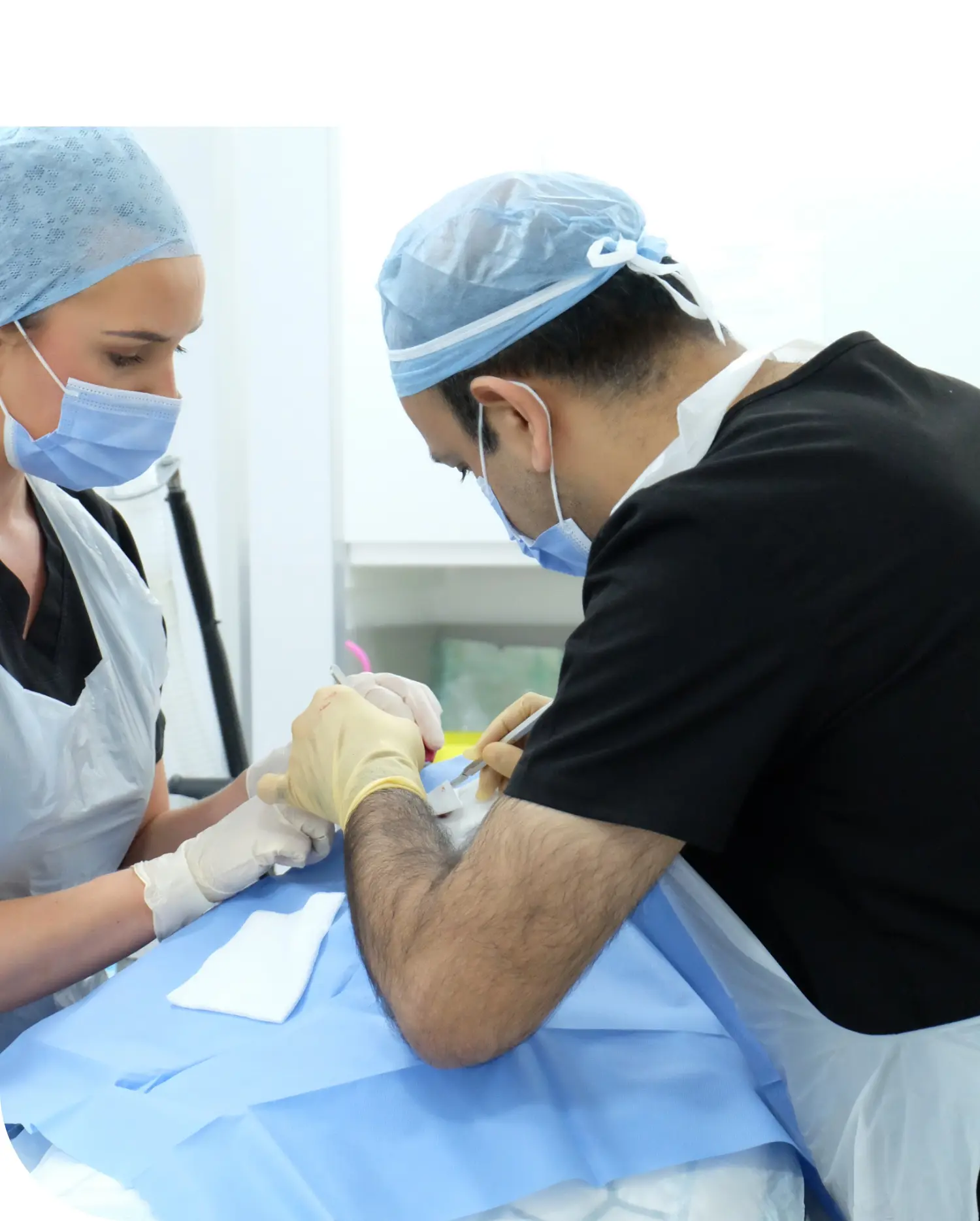
Dr Arif Aslam provides specialist skin cancer assessment, diagnosis, surgery, Mohs surgery, and reconstructive care for patients across the UK. As a Consultant Dermatologist, Dermatological Surgeon, and Mohs Micrographic Surgeon, he helps patients understand their diagnosis and make informed decisions about the most appropriate treatment.
If you are concerned about a changing mole, a sore that will not heal, or a confirmed skin cancer diagnosis, seeking advice early can make a real difference to treatment options and outcomes.

Concerned About Skin Cancer?
Skin cancer can present in many different ways. You might notice a new or changing mole, a scaly patch, a lump, a bleeding lesion, or a sore that simply does not heal.
While some skin cancers grow slowly, others can spread if left untreated. If something about your skin does not seem right, it is usually best to have it assessed rather than adopt a wait-and-see approach.
Dr Arif Aslam provides diagnosis and treatment planning for patients with suspected or confirmed skin cancer. The goal is to remove the cancer effectively, preserve as much healthy tissue as possible while achieving the best functional and cosmetic outcome.
Expert assessment can help you understand your diagnosis and treatment options.
How Skin Cancer Treatment Is Chosen
Choosing the most appropriate treatment for skin cancer in the UK depends on several factors. These include the type of skin cancer, its size, depth, location, biopsy results, and whether there is any evidence that it has spread.
Your overall health, previous history of skin cancer, current medications, and personal preferences also play an important role. For example, a small, low-risk lesion may be treated very differently from a high-risk cancer on the nose, eyelid, lip, or ear.
During your consultation, Dr Arif Aslam will explain the findings clearly and guide you through the available treatment options, helping you understand what is recommended and why.
Types of Skin Cancer We Treat
Because different types of skin cancer behave in different ways, an accurate diagnosis is an essential first step.
 |
Basal Cell CarcinomaBasal cell carcinoma is the most common type of skin cancer. It tends to grow slowly and very rarely spreads elsewhere in the body, but it can cause significant damage to nearby tissue if left untreated. Treatment may include surgical excision, Mohs surgery, topical treatments, photodynamic therapy, or other options depending on the size, location, subtype, and risk level of the cancer. For many high-risk facial skin cancers, Mohs surgery offers the highest cure rates while preserving as much healthy tissue as possible. |
 |
Squamous Cell CarcinomaSquamous cell carcinoma often grows more quickly than basal cell carcinoma and can carry a higher risk of spreading, particularly in higher-risk cases. It may appear as a scaly patch, a crusted lump, a non-healing sore, or a tender lesion. Treatment is usually focused on complete removal, followed by appropriate follow-up based on the tumour’s risk profile. |
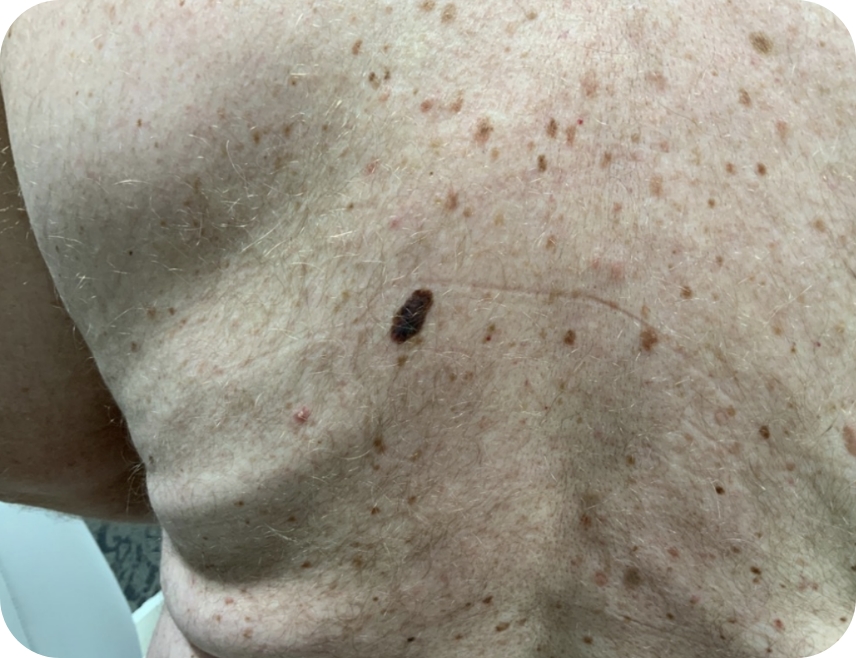 |
MelanomaMelanoma is a potentially serious form of skin cancer that develops from pigment-producing cells known as melanocytes. It can arise within an existing mole or appear as a new pigmented lesion. The most appropriate approach depends on the stage and thickness of the melanoma. Early detection is important because melanoma is generally easier to treat before it has spread. |
Skin Cancer Removal Surgery
Skin cancer removal surgery is one of the most common and effective treatments for many skin cancers. It involves removing the cancer along with a margin of surrounding tissue to reduce the chance of any cancer cells being left behind.
The removed tissue is usually sent to a pathology laboratory for examination. This confirms the diagnosis, checks the margins, and helps determine whether any additional treatment may be required.
In some cases, wounds can be closed directly. In others, particularly on the face or in more delicate areas, a skin flap, skin graft, or reconstructive repair may be needed to support healing and achieve the best possible functional and cosmetic outcome.
Mohs Surgery for Skin Cancer
Mohs surgery for skin cancer is a highly specialised technique used for selected skin cancers, particularly high-risk basal cell carcinomas and certain squamous cell carcinomas. It is often recommended when the cancer is located in an area where appearance or function is especially important, or where preserving healthy tissue is a priority.
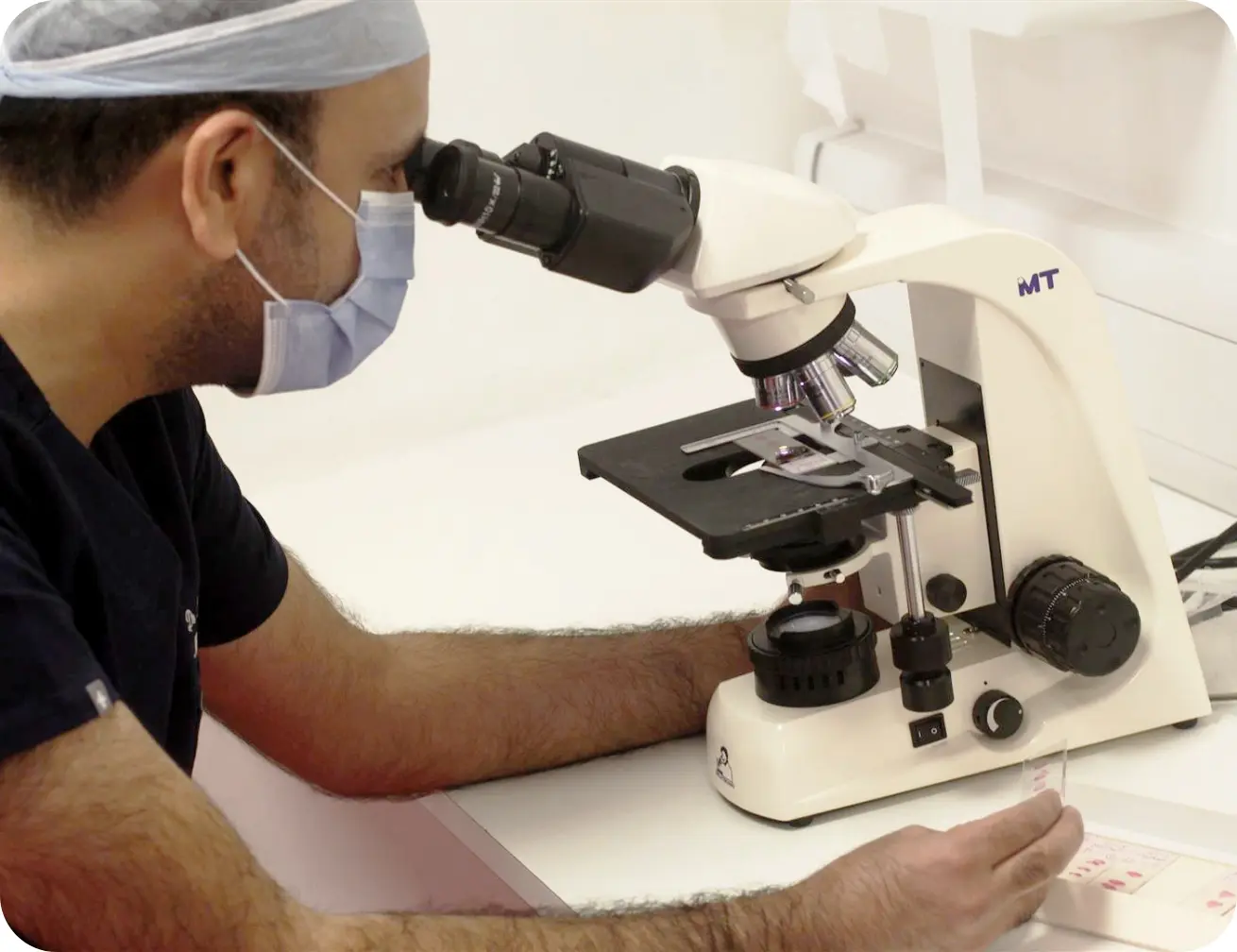
During Mohs surgery, the cancer is removed in stages. Each layer is examined under the microscope on the same day, allowing any remaining cancer cells to be mapped precisely. Further tissue is removed only where necessary until clear margins are achieved.
As a result, this approach can be particularly beneficial for skin cancers on the face, nose, lips, ears, eyelids, scalp, fingers, and other areas where preserving normal tissue matters. Mohs surgery offers some of the highest cure rates available for many suitable skin cancers while maximising tissue preservation.
Dr Arif Aslam combines Mohs surgery with reconstructive planning to support both complete cancer removal and the best possible repair, where appropriate.
Other Surgery and Treatment Options
Not every skin cancer requires surgery. Some early, superficial, or lower-risk lesions may be suitable for less invasive treatments.
Curettage and CauteryCurettage and cautery is commonly used for selected low-risk superficial skin cancers. The abnormal tissue is gently scraped away using a specialised instrument, and the area is then treated with heat to destroy any remaining abnormal cells and help control bleeding. |
|
Topical TreatmentsSome precancerous lesions and superficial skin cancers can be treated with prescription creams applied at home over a period of several weeks. These treatments work by destroying abnormal cells or stimulating the body’s immune response to target them. |
CryotherapyCryotherapy uses liquid nitrogen to freeze and destroy abnormal skin cells. It may be suitable for certain precancerous lesions and selected superficial skin cancers. The treated area usually forms a blister or scab before healing over the following weeks. |
RadiotherapyRadiotherapy uses carefully targeted radiation to treat cancer cells. It may be considered when surgery is not suitable, would be difficult because of the cancer’s location, or is not the patient’s preferred option. Treatment is usually delivered over a series of outpatient appointments. |
Photodynamic TherapyPhotodynamic therapy combines a light-sensitive cream with a controlled light source to destroy abnormal cells. It may be recommended for selected superficial skin cancers and precancerous skin changes, particularly when a non-surgical approach is preferred. |
Targeted Therapy or ImmunotherapyTargeted therapy and immunotherapy are specialist treatments used for advanced melanoma and certain advanced skin cancers. These medicines work by either targeting specific cancer cell pathways or helping the immune system recognise and attack cancer cells. Treatment is typically provided under the care of a specialist cancer team. |
|
Ultimately, the most suitable option will depend on your diagnosis, the risk level of the cancer, and your overall health.
Melanoma Treatment in the UK
Melanoma treatment in the UK usually starts with a specialist assessment and confirmation of the diagnosis through a biopsy.
Once melanoma is diagnosed, surgery is typically the main treatment. This often involves a wider local excision to remove additional surrounding skin after the initial biopsy.
Depending on the thickness and stage of the melanoma, further investigations such as a sentinel lymph node biopsy may be discussed. Some patients may also benefit from assessment by a multidisciplinary skin cancer team.
For more advanced melanoma, treatment may include immunotherapy, targeted therapy, radiotherapy, or, less commonly today, chemotherapy. Recommendations are based on the stage of the disease and individual patient factors.
Melanoma Treatment in the UK
Melanoma treatment in the UK usually starts with a specialist assessment and confirmation of the diagnosis through a biopsy.
Once melanoma is diagnosed, surgery is typically the main treatment. This often involves a wider local excision to remove additional surrounding skin after the initial biopsy.
Depending on the thickness and stage of the melanoma, further investigations such as a sentinel lymph node biopsy may be discussed. Some patients may also benefit from assessment by a multidisciplinary skin cancer team.
For more advanced melanoma, treatment may include immunotherapy, targeted therapy, radiotherapy, or, less commonly today, chemotherapy. Recommendations are based on the stage of the disease and individual patient factors.
What to Expect from Your Consultation
Your consultation will begin with a discussion about your skin concern, symptoms, medical history, and any previous skin cancer diagnosis or treatment.
Dr Arif Aslam will then examine the area carefully and may use dermoscopy, a specialised magnification technique that allows skin lesions to be assessed in greater detail.
If further investigation is needed, a biopsy may be recommended. Once the results are available, you will be guided through the diagnosis, treatment options, expected recovery, and follow-up plan.
Throughout the consultation, there will be plenty of opportunities to ask questions and discuss any concerns, helping you make an informed decision about your care.
Aftercare and Recovery
Recovery after skin cancer treatment varies depending on the size and location of the cancer, the type of treatment performed, and whether reconstruction is needed.
You will receive clear instructions on caring for the treated area. This may include advice on cleaning the wound, changing dressings, activity restrictions, scar care, and signs of infection or other complications to watch for.
Follow-up appointments may be recommended to review pathology results, monitor healing, assess for recurrence where appropriate, and discuss ongoing skin surveillance.
Because having one skin cancer increases the risk of developing another in the future, regular skin checks and good sun protection remain important.
Why Patients Choose Dr Arif Aslam
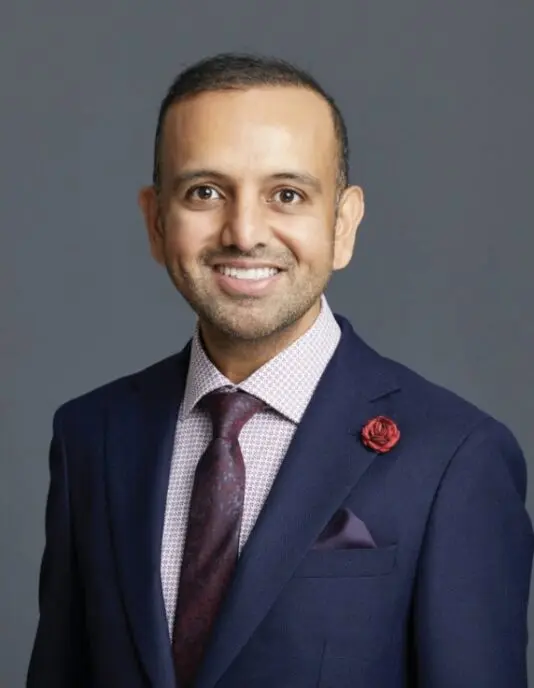

Patient care and cutting-edge treatments are paramount to my work as a Consultant Dermatologist. I’m always striving for the best outcomes for every patient.
Dermatological Surgeon and Mohs Micrographic Surgeon, Honorary Senior Lecturer
MBChB, MRCP (UK), MRCGP, MRCP (Derm), FRACP, FACD, FACMS
Patients value an approach that combines specialist skill with a genuinely supportive experience. Dr Aslam’s focus on early diagnosis, precision-based procedures, and natural-looking reconstruction ensures both clinical and cosmetic outcomes are prioritised. This is particularly important for facial BCC, nasal BCC, and other forms of facial skin cancer where tissue preservation matters.
The clinic’s environment is designed to be calm and professional, with clear communication at every stage - helping patients feel reassured, informed, and in control of their care.
As an Honorary Senior Lecturer and specialist in Mohs surgery, Dr Arif Aslam combines extensive clinical expertise with patient-centred care. His aim is to ensure that every patient feels informed, supported, and confident throughout their treatment.
Need Clear Advice on Skin Cancer Treatment in the UK?
Book a private consultation with Dr Arif Aslam to discuss your diagnosis and the most appropriate treatment for your skin cancer.
Concerned about a changing mole or skin lesion? Book a private consultation with Dr Arif Aslam today!