Expert Skin Cancer Surgeon and Dermatologist in Lancaster
Dr Arif Aslam is a leading dermatologist in Lancaster, dedicated to providing patients in Lancashire and Greater Manchester with the highest quality, comprehensive care for skin cancer. He is one of the few dermatologists in the UK and Europe fellowship-trained in Mohs micrographic surgery, specialising in complex skin cancer treatment and reconstructive surgery. He has performed over a thousand Mohs surgeries – a procedure regarded as the gold standard for treating skin cancers, including facial basal and squamous cell carcinoma.
Get in touch
01524 65944
Accreditations & memberships

Comprehensive Skin Cancer Services in Blackburn
Skin cancer ranks among the most common malignancies in England, making access to precise, tissue-sparing treatment vital for patient outcomes. Dr Arif Aslam, a double fellowship-trained Mohs micrographic surgeon and consultant dermatologist in Lancaster, combines rapid diagnosis with gold-standard surgical care to maximise cure rates and minimise scarring.
Treating Skin Cancer with Mohs Surgery in Lancaster
Mohs surgery is a precise layer-by-layer excision technique that removes skin cancer while conserving healthy tissue, delivering cure rates up to 99 percent for basal and squamous cell carcinomas.
By examining each tissue layer microscopically during the procedure, this method ensures complete cancer removal and supports optimal reconstructive outcomes.
Understanding how Mohs surgery works can help you feel confident in choosing the best treatment for your skin cancer.
Key Benefits of Mohs Surgery for Skin Cancer
- Highest Cure Rate: Up to 99 percent success for primary basal and squamous cell carcinomas.
- Minimal Scarring: Tissue preservation reduces defect size and supports natural appearance.
- Real-Time Margin Control: Immediate microscopic analysis confirms complete cancer removal.
- Outpatient Procedure: Performed under local anaesthesia with same-day discharge.
Mohs surgery’s tissue-sparing approach not only removes cancer effectively but also helps preserve your skin’s natural appearance for better cosmetic results.
You’re in safe hands
With a procedure like Mohs surgery, you need trust, precision, and attention to detail. It’s the gold standard technique for removing high-risk skin cancers, leaving healthy skin untouched, minimising the chance of scars, and coming with the highest cure rate and lowest chance of recurrence of any form of treatment.
Popular, widely published, well-liked, and with a reputation for impeccable care, Arif’s international experience and prestigious training mean anyone faced with the reality of skin cancer has access to the best possible treatment - fast, successful, professional, and a 5-star overall patient trust rating from Doctify which independently verifies patient reviews. Quality of care comes first, Dr Aslam wants to make sure every patient feels confident, looked after, and in complete control.

Why Choose Dr Arif Aslam as Your Dermatologist in Lancaster
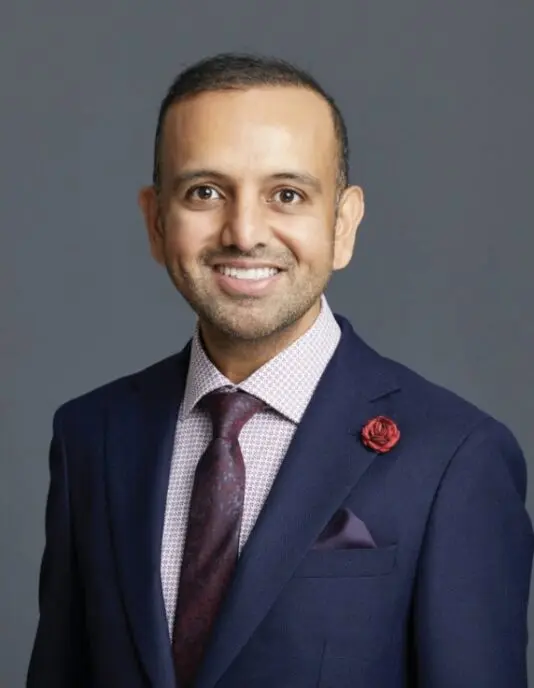
Dr Aslam’s rare double fellowship training, international memberships, and track record of over a thousand successful Mohs procedures position his practise at the forefront of skin cancer care in Lancaster and the North West.
Qualifications and Professional Accreditations
Dr Aslam holds fellowships with the American College of Mohs Surgery (ACMS) and membership in the Australasian College of Dermatologists, reflecting advanced training in micrographic surgery and dermatologic medicine. His credentials surpass standard UK consultant pathways, ensuring world-class expertise.
Understanding Skin Disease Risks
Lancaster dermatologists commonly manage several skin cancer categories, each with distinct signs, risks, and treatment pathways.
Basal Cell Carcinoma (BCC)
Basal cell carcinoma is a slow-growing tumour arising from epidermal basal cells, often presenting as a pearly nodule or ulcerated lesion. Chronic sun exposure, fair skin, and immunosuppression increase risk. Early detection through visual inspection enables less invasive treatment and improves outcomes.
Squamous Cell Carcinoma (SCC)
Squamous cell carcinoma originates in keratinising epidermal cells, appearing as scaly plaques or non-healing ulcers. Diagnosis involves clinical examination, dermoscopy, and biopsy. Treatment options include surgical excision, Mohs surgery for high-risk lesions, and adjuvant radiotherapy when necessary. It is also important to consider wider skin cancer screening, including for melanoma.
Melanoma Skin Cancer
Melanoma develops from pigment-producing melanocytes and can spread rapidly if not caught early. Asymmetrical moles with irregular borders, colour variation, or a diameter over 6 mm warrant assessment. Early excision achieves high cure rates, while advanced cases may require multidisciplinary care. Regular skin checks and screening play a key role in early detection.
What to Expect During Your Mohs Surgery in Lancaster
Before undergoing a Mohs procedure, an initial consultation is used to establish the diagnosis, staging, and operative planning. The following steps outline the surgical course:
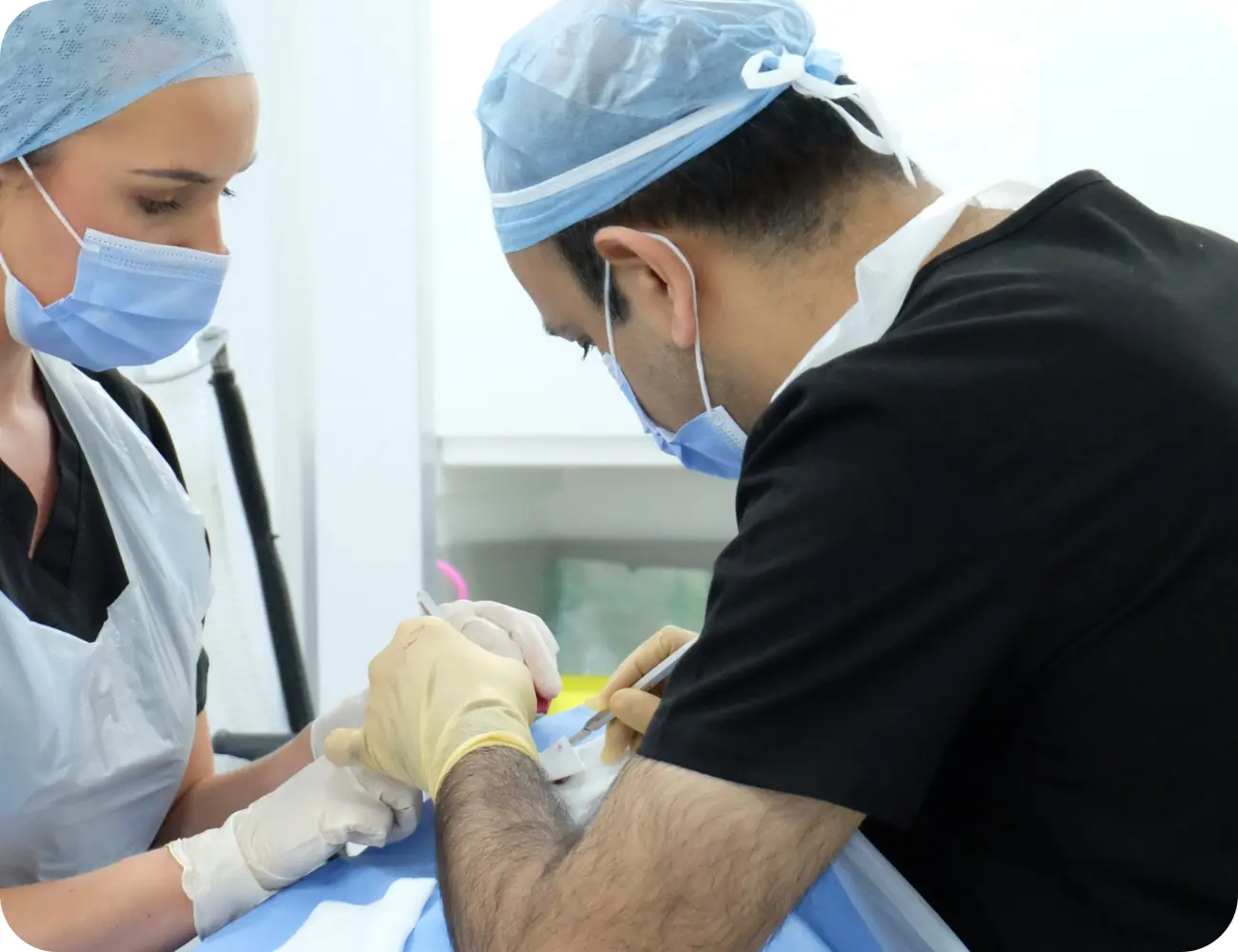
- Anaesthesia and Marking: Local anaesthetic is applied to numb the area completely, ensuring you remain comfortable throughout the procedure. The surgeon then carefully outlines the visible tumour margins with a marker to guide precise excision.
- First Layer Removal: The surgeon excises the suspected cancerous tissue with a thin margin, removing the visible tumour while preserving as much surrounding healthy skin as possible. This initial layer is the starting point for microscopic examination.
- Tissue Mapping and Lab Preparation: The removed tissue is colour-coded with dyes and mapped to correlate specific areas of the wound with the lab sections. The tissue is then frozen and sliced into thin horizontal sections to prepare for microscopic analysis.
- Microscopic Examination: Each tissue section is meticulously examined under a microscope by the surgeon to identify any remaining cancer cells. This step ensures that all cancerous tissue is detected while avoiding unnecessary removal of healthy skin.
- Additional Stages (if Required): If cancer cells are found in the examined tissue, further thin layers are removed only from the affected areas. This targeted approach may be repeated several times until the margins are confirmed clear of cancer.
- Reconstruction and Closure: Once all cancerous tissue has been removed and clear margins are confirmed, the surgeon repairs the surgical site. Depending on the size and location of the defect, closure may involve sutures, skin grafts, or flaps to optimise cosmetic and functional outcomes.
Dr Arif Aslam’s Mohs surgery in Lancaster is a highly precise and effective treatment offering the highest cure rates with minimal healthy tissue removal, ensuring optimal outcomes for skin cancer patients.
Frequently Asked Questions
Mohs surgery treats basal cell carcinoma, squamous cell carcinoma, and select early melanomas, especially when tumours are large, recurrent, or located in cosmetically sensitive areas in Lancaster. It is the preferred skin cancer treatment in Lancaster due to its precision and high cure rates.
Mohs surgery offers the highest cure rates, minimal healthy tissue removal, immediate margin control, and superior cosmetic outcomes compared with standard excision, cryotherapy, or radiotherapy. These advantages make it the gold standard skin cancer treatment Lancaster trusts most.
Signs include asymmetry, irregular borders, colour variation, diameter over 6 mm, and evolving shape or symptoms. Any concerning change warrants prompt dermatoscopic evaluation by a private dermatologist in Lancaster, UK.
Mole removal in Lancaster is a quick procedure performed by experienced dermatologists, typically under local anaesthetic. The mole is either shaved or surgically excised, depending on its size and type, with tissue often sent for testing to ensure safety.
For thin, early-stage melanomas in critical locations, Mohs surgery in Lancaster can ensure complete removal with maximal tissue conservation. However, wide-excision protocols may apply for higher-risk or thicker lesions.