Skin Cancer Bumps:
What They Look Like & When to Seek Help
Noticing new or changing skin cancer bumps can feel concerning. While many skin lumps are harmless, some changes may indicate skin cancer and should not be ignored. Understanding how a skin cancer lump can appear and when to seek expert assessment helps you take the right action early, with confidence.

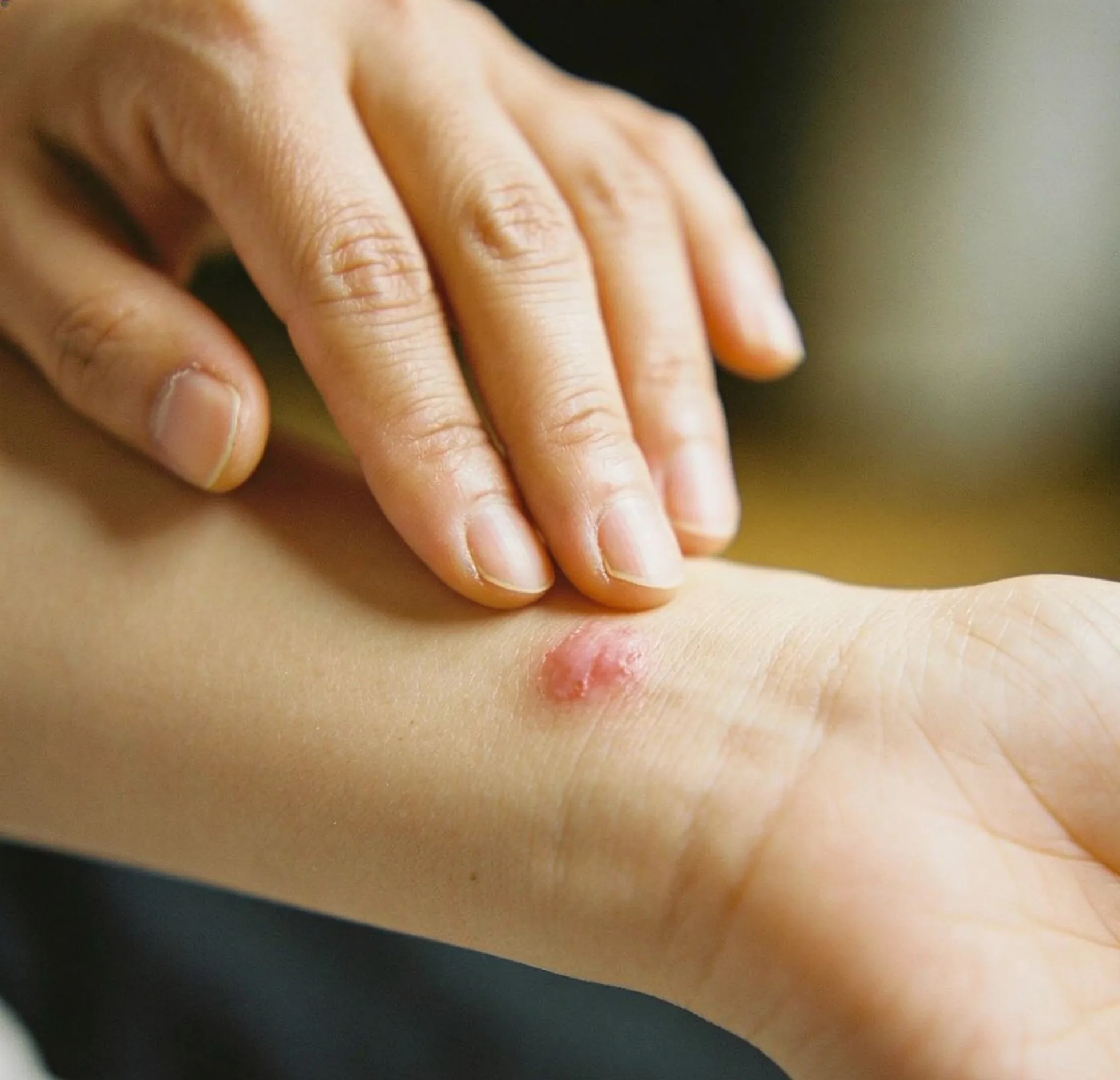
What Are Skin Cancer Bumps?
Skin cancer bumps are visible growths or lesions that develop when abnormal skin cells grow uncontrollably. They may appear gradually over time, change in colour, shape, or texture, and often develop without pain or discomfort. Because they can look subtle in the early stages, they are sometimes easy to overlook without the right awareness.
Skin cancer is one of the most common cancers worldwide, and recognising possible cancerous bumps on the skin early plays an important role in achieving effective treatment outcomes.
How Skin Cancer Bumps Can Appear
Not all skin cancer bumps look the same. Their appearance varies depending on the type of skin cancer. The three most common types include:
Each type has its own typical features, which are outlined below.
What a BCC Lump Looks Like
A BCC lump is typically associated with basal cell carcinoma, the most common form of skin cancer. These growths often appear on sun-exposed areas such as the face or nose. A BCC lump may look like:
- a pearly or waxy bump with a translucent surface.
- a pink or flesh-coloured growth with visible blood vessels.
- a sore that repeatedly heals and returns.
- a slightly sunken or scar-like lesion.
While BCC rarely spreads, it can grow deeper into surrounding tissue if left untreated. Early treatment is simpler and more effective.
What an SCC Lump Looks Like
A lump linked to squamous cell carcinoma often appears as:
- a firm red nodule.
- a rough or scaly patch.
- a crusted or bleeding growth.
- a sore that does not heal.
SCC can grow more quickly than BCC and may spread if not treated early.
How Melanoma Bumps Appear
Melanoma bumps are less common but more serious. They can develop quickly and require prompt attention. They are often identified using the ABCDE signs:
- A – Asymmetry: uneven shape
- B – Border: irregular or blurred edges
- C – Colour: multiple or uneven colours
- D – Diameter: larger than 6mm (though may be smaller)
- E – Evolving: changing over time
Some bumps may also bleed or itch, become tender, or appear pink or skin-coloured (not always dark). Any evolving lesion should be assessed without delay.
Not Every Lump Is Skin Cancer
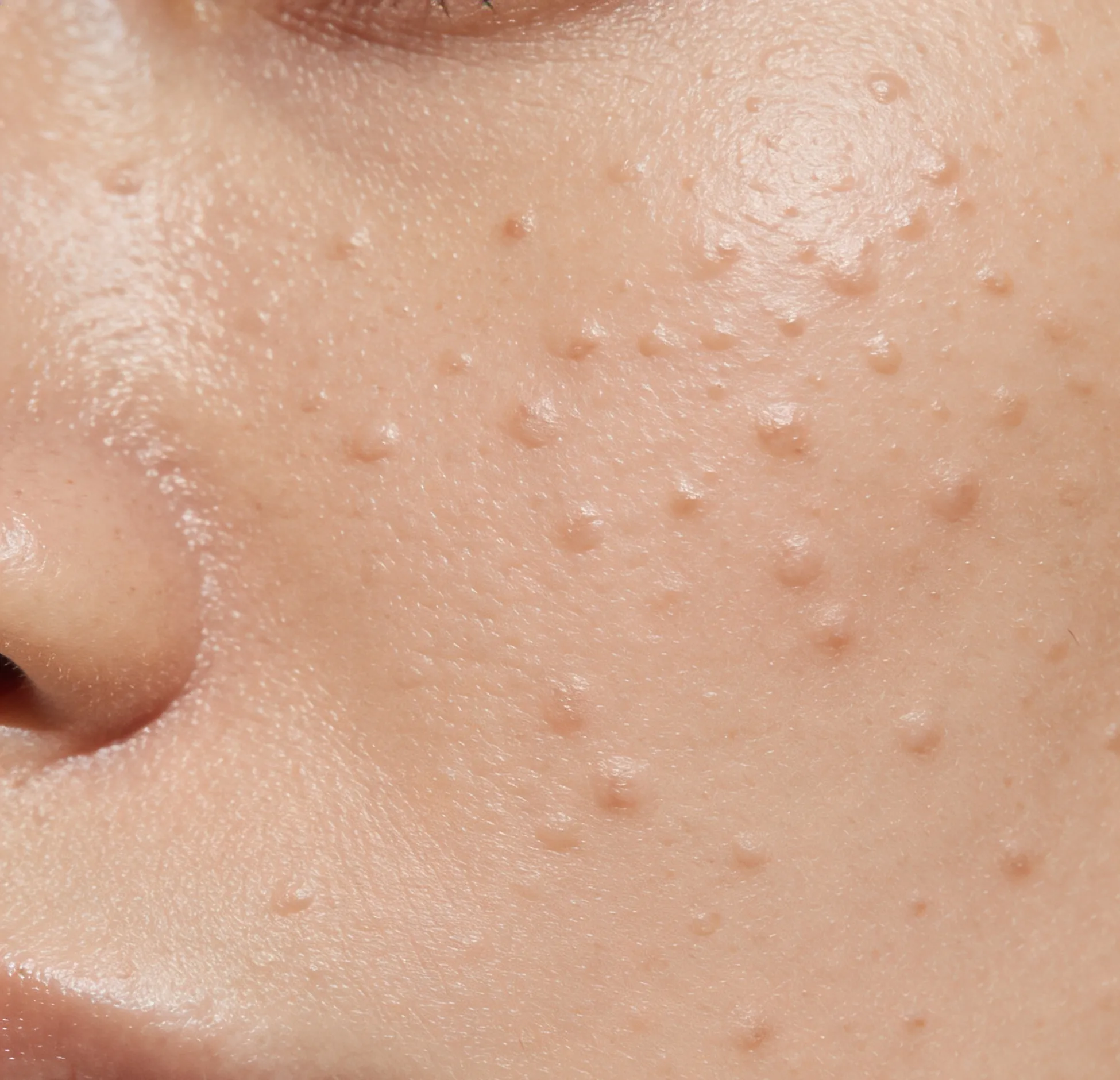
Most skin lumps are benign and not cancer-related, and many people will develop harmless growths at some point in their lives. While these are usually nothing to worry about, it is still important to understand how they differ from potential skin cancer.
Common harmless examples include:
- Cysts – fluid-filled sacs that sit beneath the skin and often feel smooth and movable
- Lipomas – soft, fatty lumps that grow slowly under the skin and are usually painless
- Seborrhoeic keratoses – raised, wart-like growths that can appear waxy or stuck onto the skin
- Dermatofibromas – small, firm nodules that may feel slightly tender and often appear on the legs
However, it is not always possible to distinguish a benign growth from a skin cancer lump by appearance alone. Specialist assessment is the safest way to confirm.
Key Warning Signs to Watch For
Recognising early warning signs is essential when it comes to identifying potentially serious skin cancer bumps. While many skin changes are harmless, certain features should prompt closer attention and professional assessment.
You should seek medical advice if any skin cancer bumps:
- change in size, shape, or colour over time.
- develop irregular or poorly defined borders.
- show multiple colours or uneven pigmentation.
- bleed, ooze, or scab repeatedly without healing.
- become itchy, tender, or painful.
- do not heal within a few weeks.
- feel firm, raised, or different from surrounding skin.
- appear suddenly and continue evolving.
- look noticeably different from other marks on your skin (the “ugly duckling” sign).
It is also important to monitor any existing moles or lesions for subtle changes, as these can sometimes be early indicators of melanoma or other skin cancers.
These signs do not always indicate cancer, but they should never be ignored. Early assessment allows for accurate diagnosis and, if necessary, timely treatment with the best possible outcomes.
How Skin Cancer Bumps Are Diagnosed
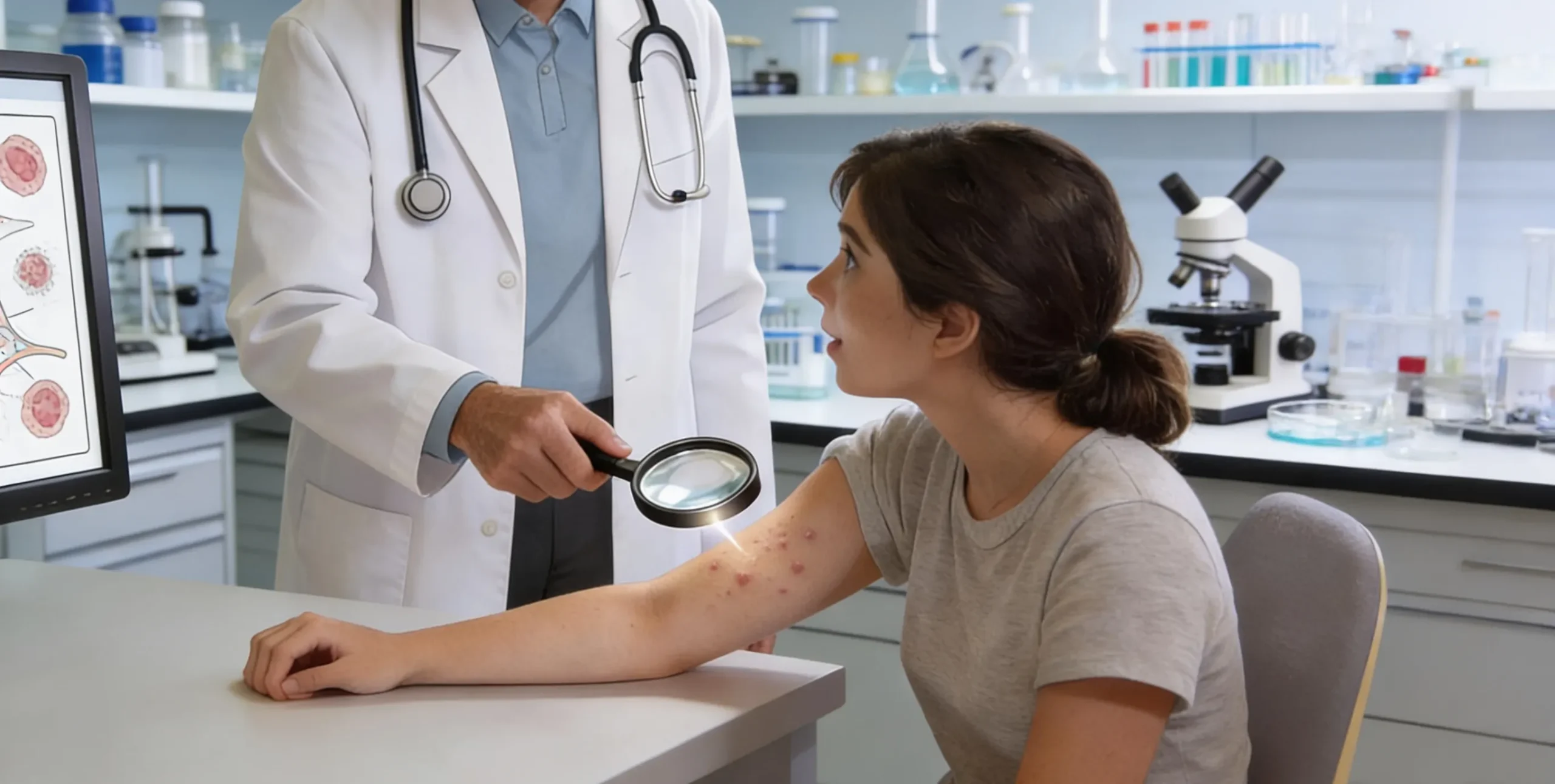
Diagnosing skin cancer bumps is usually straightforward and involves a few key steps:
- Clinical examination to assess the lesion’s appearance and changes
- Dermoscopy for a closer, magnified view of the skin
- Biopsy if needed to confirm the diagnosis
Dr Arif Aslam is a fellowship-trained specialist with extensive experience in diagnosing and treating skin cancer bumps, particularly in complex areas such as the face and nose.
Treatment Options for Skin Cancer Bumps
Treatment depends on the type, size, location, and stage of the lesion, as well as individual patient factors. A personalised approach ensures the most effective outcome while preserving both function and appearance.
Mohs Micrographic Surgery
Mohs surgery is a highly specialised technique often used for skin cancers on the face, particularly in delicate areas such as the nose, eyelids, and lips.
During the procedure, the cancer is removed in thin layers, with each layer examined under a microscope in real time. This allows the surgeon to precisely identify and remove only the cancerous tissue while preserving as much healthy skin as possible.
As a result, Mohs surgery offers some of the highest cure rates for many skin cancers, helps preserve as much healthy tissue as possible, and provides same-day confirmation of clear margins or whether further stages are needed.. It is especially beneficial for recurrent cancers, aggressive subtypes, or lesions in cosmetically sensitive areas.
Surgical Excision
Surgical excision is a commonly used and effective treatment for many types of skin cancer. The procedure involves removing the lesion along with a margin of surrounding healthy tissue, after which the removed tissue is sent for laboratory analysis to confirm the diagnosis and check whether the margins are clear.
This approach is suitable for basal cell carcinoma, squamous cell carcinoma, and selected cases of melanoma. It is typically performed under local anaesthetic and offers reliable outcomes when carried out by an experienced specialist.
Other Treatments
In certain cases, alternative or additional treatments may be recommended depending on the nature of the lesion and patient preference. These may include:
- topical treatments for superficial skin cancers.
- photodynamic therapy, which uses light-activated medication to destroy abnormal cells.
- cryotherapy (freezing treatment) for selected lesions.
- referral to multidisciplinary teams for advanced or complex cases.
Each treatment plan is carefully tailored to ensure the best possible clinical and cosmetic result.
Dr Arif Aslam: Mohs Micrographic Surgery Specialist
Dr Arif Aslam is a fellowship-trained specialist with extensive experience in diagnosing and treating skin cancer, particularly in complex and cosmetically sensitive areas such as the face and nose.
His approach combines precision, advanced surgical techniques, and a strong focus on achieving the best possible functional and aesthetic outcomes for each patient.
Patients benefit from:
- expert assessment and accurate diagnosis of skin lesions.
- advanced surgical treatments, including Mohs micrographic surgery.
- personalised care plans tailored to individual needs.
- a compassionate, patient-centred approach throughout treatment.
Dr Aslam is committed to delivering high-quality care, ensuring patients feel informed, reassured, and supported at every stage of their treatment journey.
Take Action on Suspicious Skin Changes
Skin cancer bumps can present in many different ways, from a subtle BCC lump to more obvious melanoma bumps. Most skin changes are harmless. However, any new, changing, or unexplained growth should be assessed by a specialist.
If you have noticed a lump on your skin, arranging an expert consultation ensures clarity, reassurance, and prompt treatment. Schedule your expert skin assessment with Dr Arif Aslam today for fast, accurate diagnosis and peace of mind.